NB-IoT Noise Loggers for Water Leak Detection
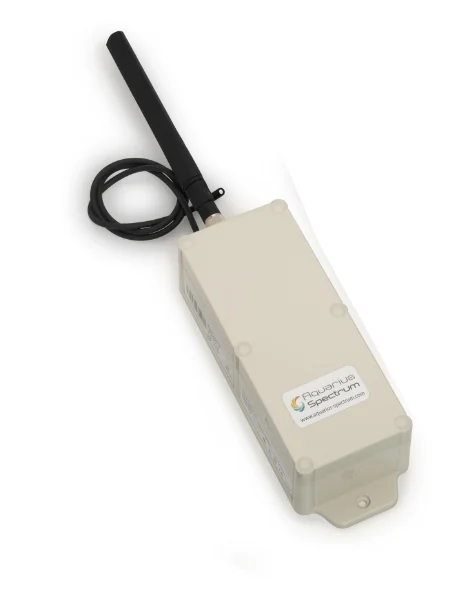
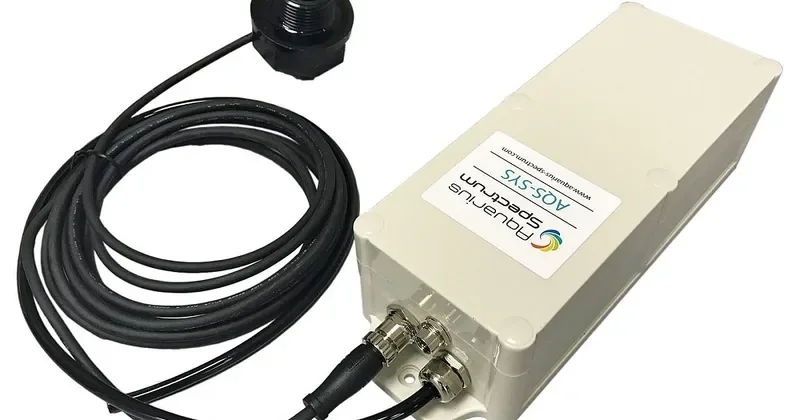
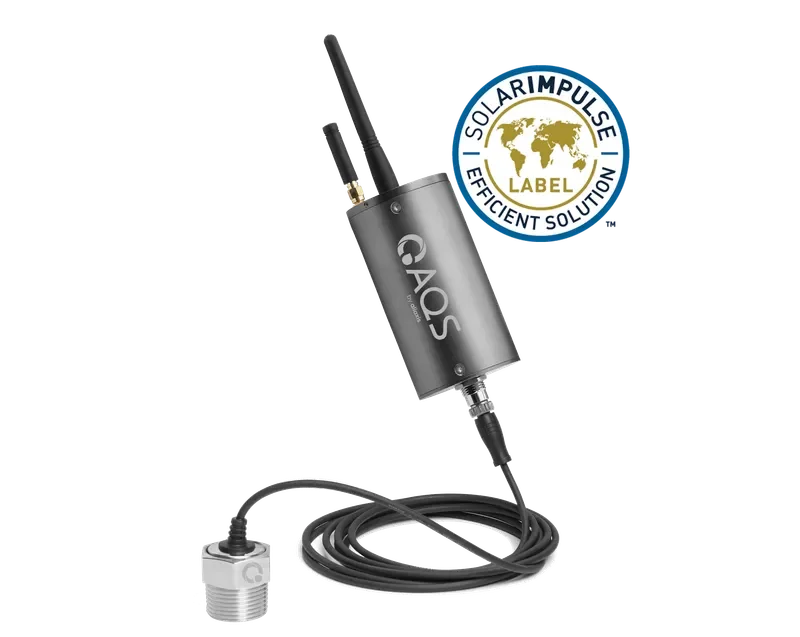
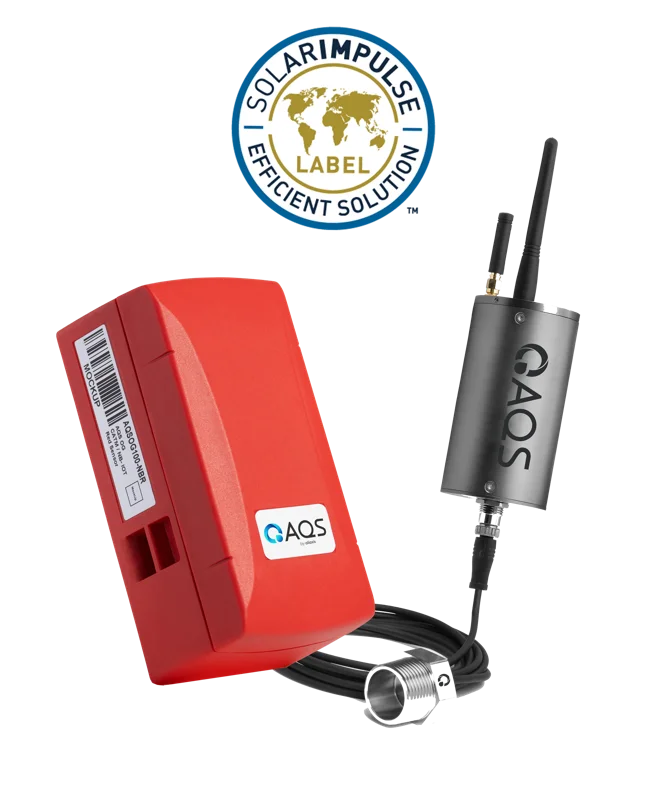
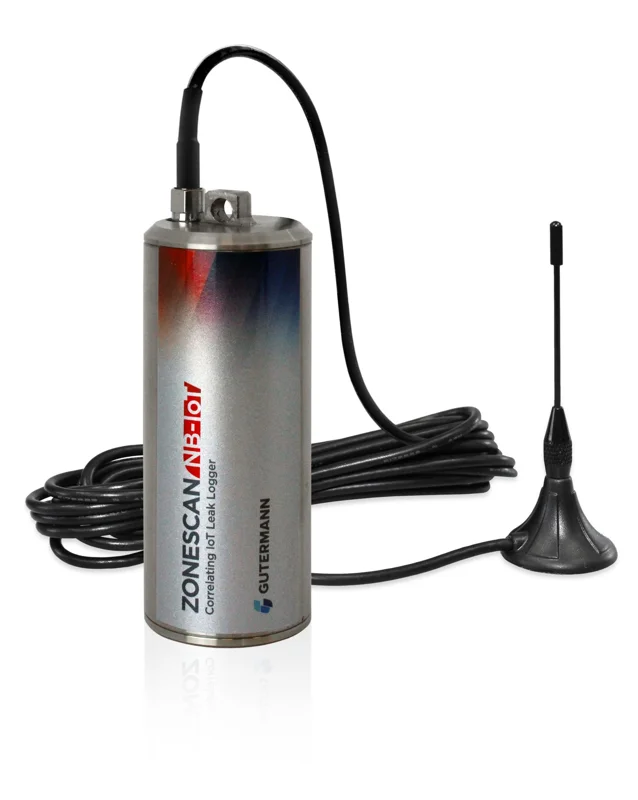
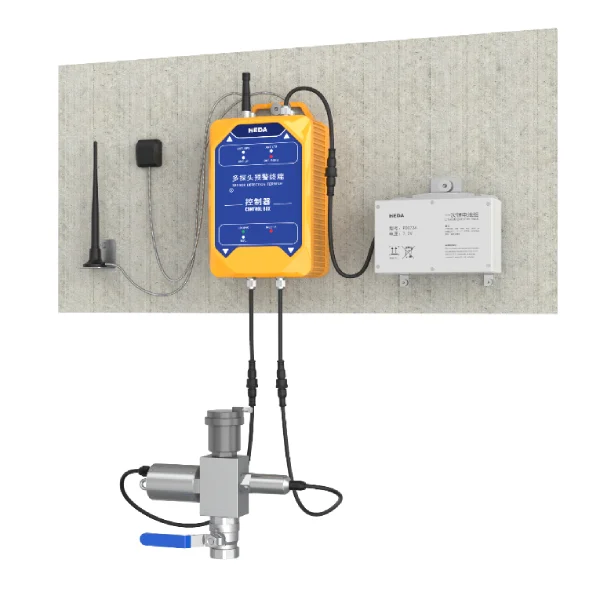
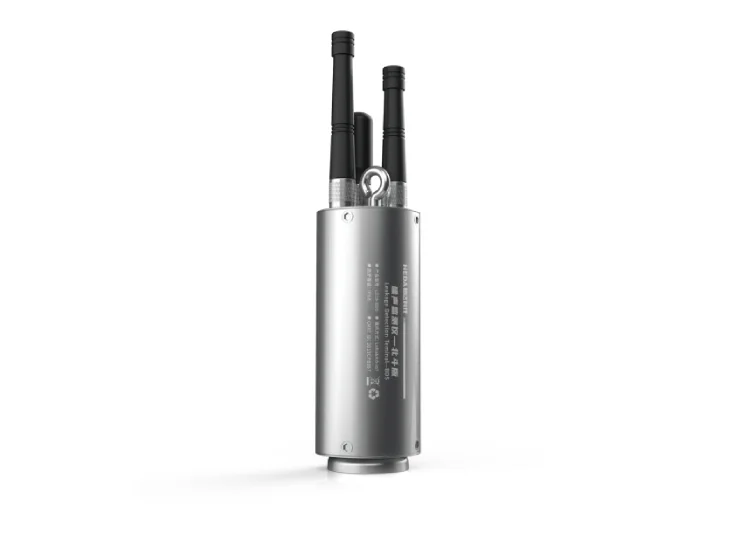
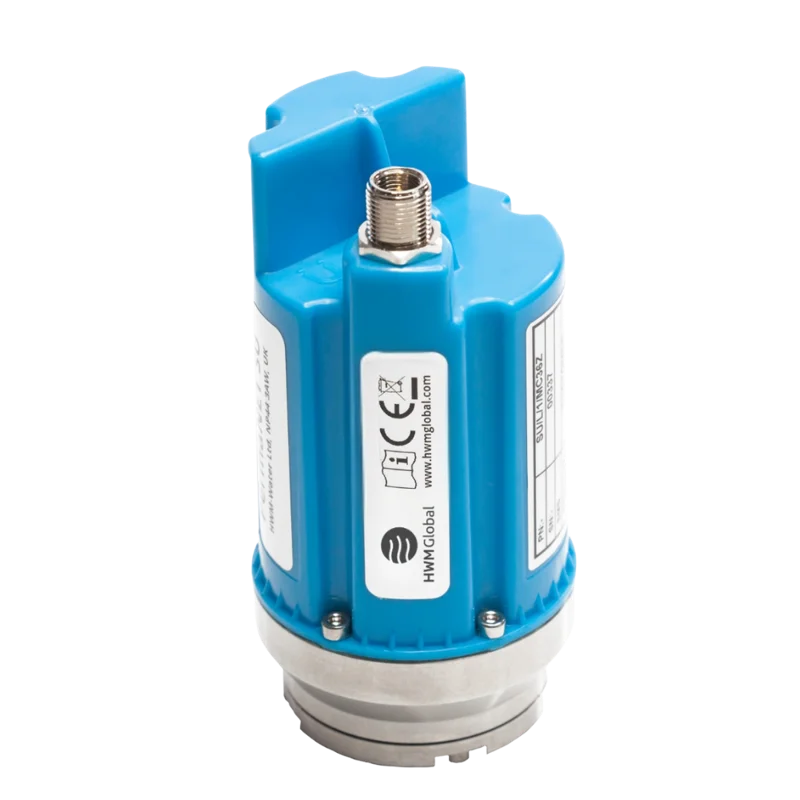
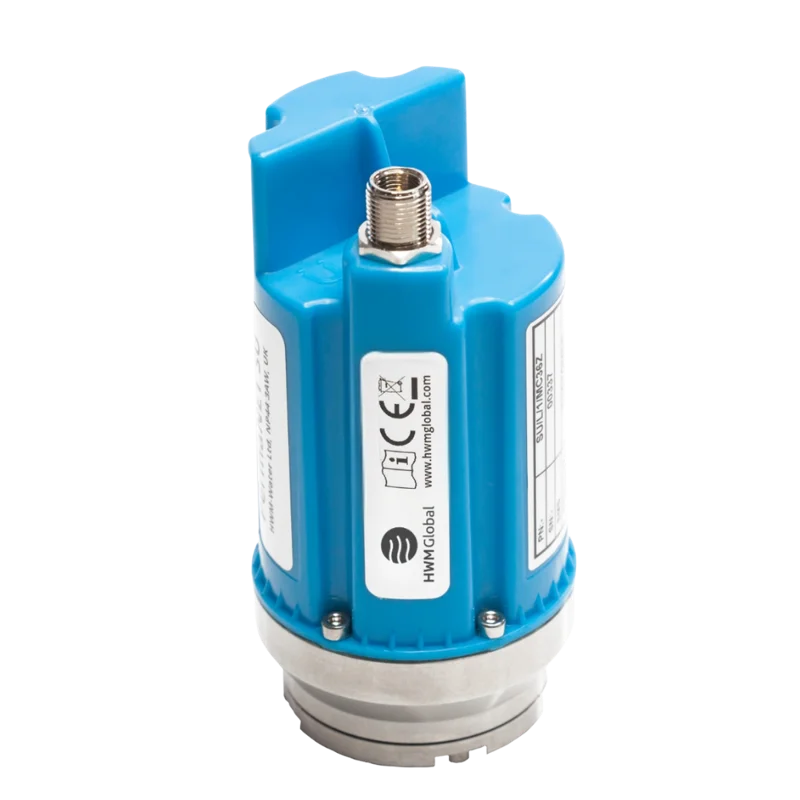
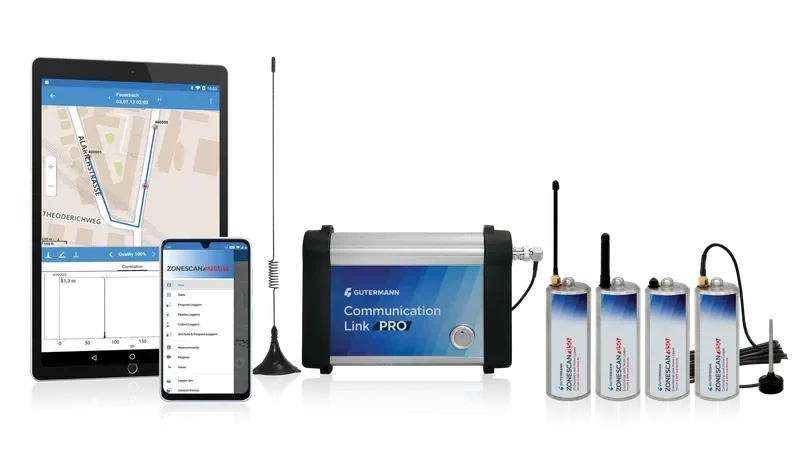
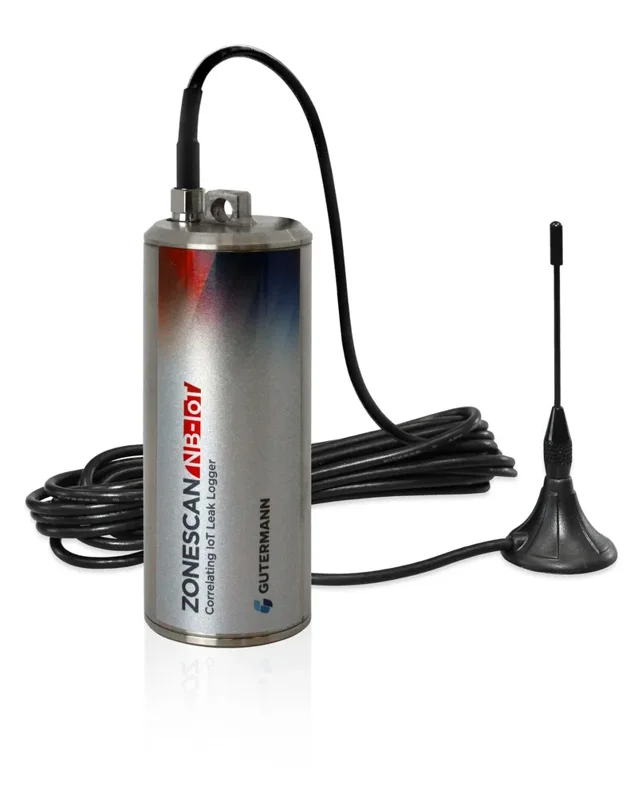
NB-IoT noise loggers transmit nightly leak-noise data from underground chambers straight to the cloud, with narrowband cellular reaching through cast-iron lids where LoRaWAN and 3G/4G struggle. This page indexes NB-IoT loggers across manufacturers with verified specifications and source datasheets, so you can compare battery life, IP rating, sensor type and correlation features side by side.
What to look for
- Battery life and whether the cell is field-replaceable — fixed-network loggers should last 5–15 years.
- IP68 submersibility, since loggers sit in flooded chambers.
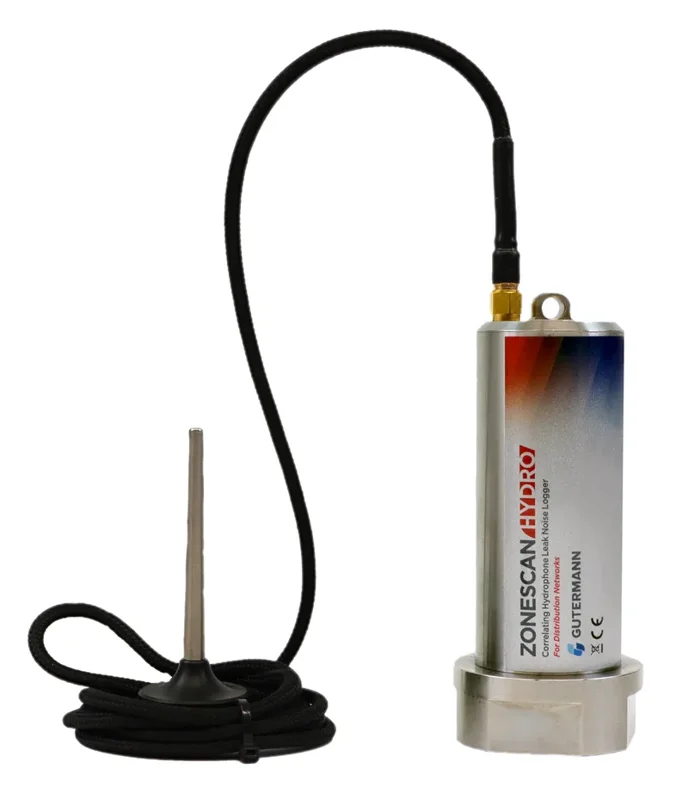
- Sensor type: accelerometer for metal/AC pipes, hydrophone for plastic and large-diameter mains.
- Whether the cloud platform performs cross-logger correlation and daily time-synchronisation.
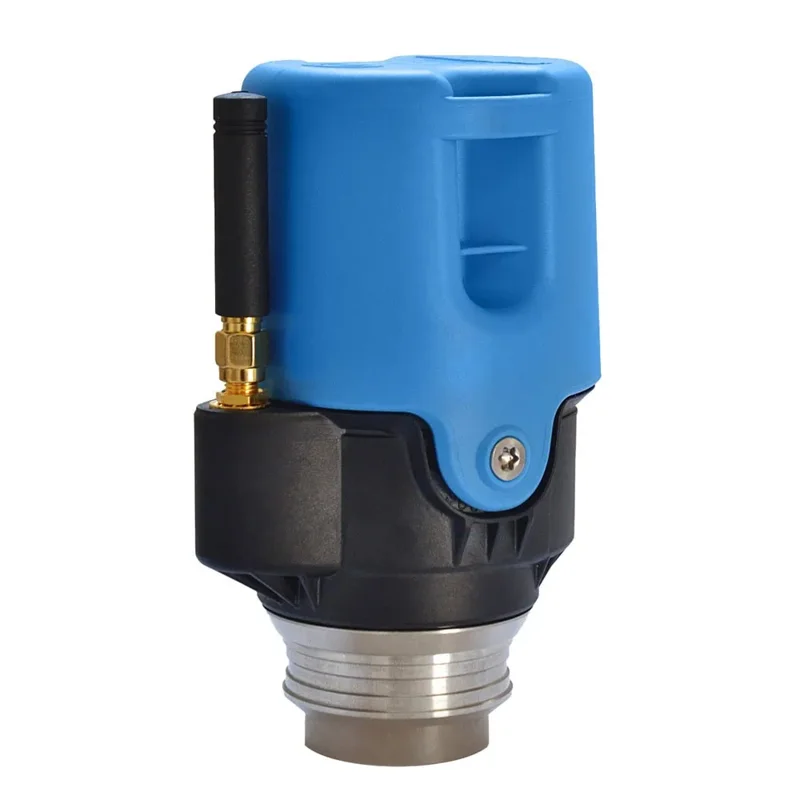
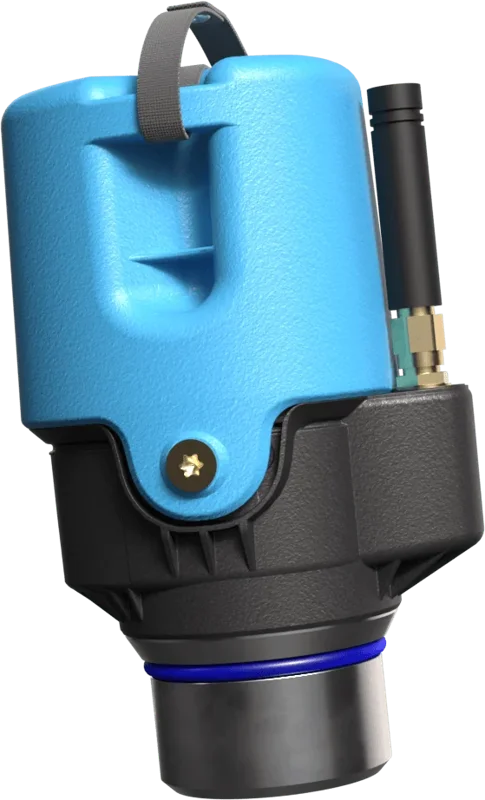
- Antenna options for transmitting through metal chamber lids.
15 matching products
All products →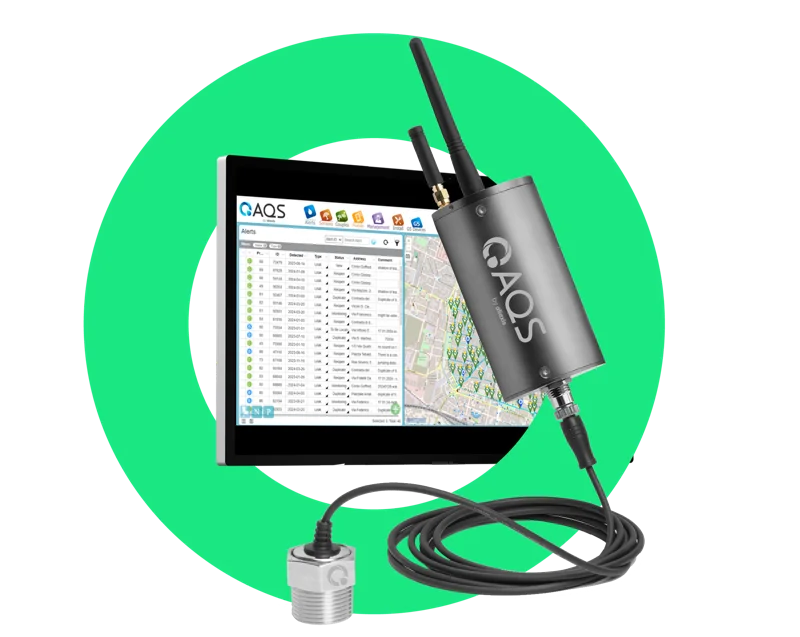
Frequently asked questions
Why choose NB-IoT over LoRaWAN for noise loggers?
NB-IoT uses licensed cellular spectrum with deep indoor/underground penetration, so it transmits reliably from chambers under cast-iron lids without you having to build or operate a network. LoRaWAN can be cheaper to run where you already have gateways, but coverage in deep chambers is less consistent.
How long do NB-IoT noise logger batteries last?
Most fixed-network NB-IoT loggers are specified for roughly 5 to 15 years depending on reporting frequency, network coverage and temperature. Several now use a user-replaceable cell so the logger does not have to be scrapped at end of battery life.
Can NB-IoT loggers correlate leaks?
Yes. Correlating models record the leak sound and upload it; the cloud platform cross-correlates sound files from neighbouring loggers, using daily time-synchronisation, to pinpoint the leak position between them.