In-line Leak Detection & Pipe Inspection
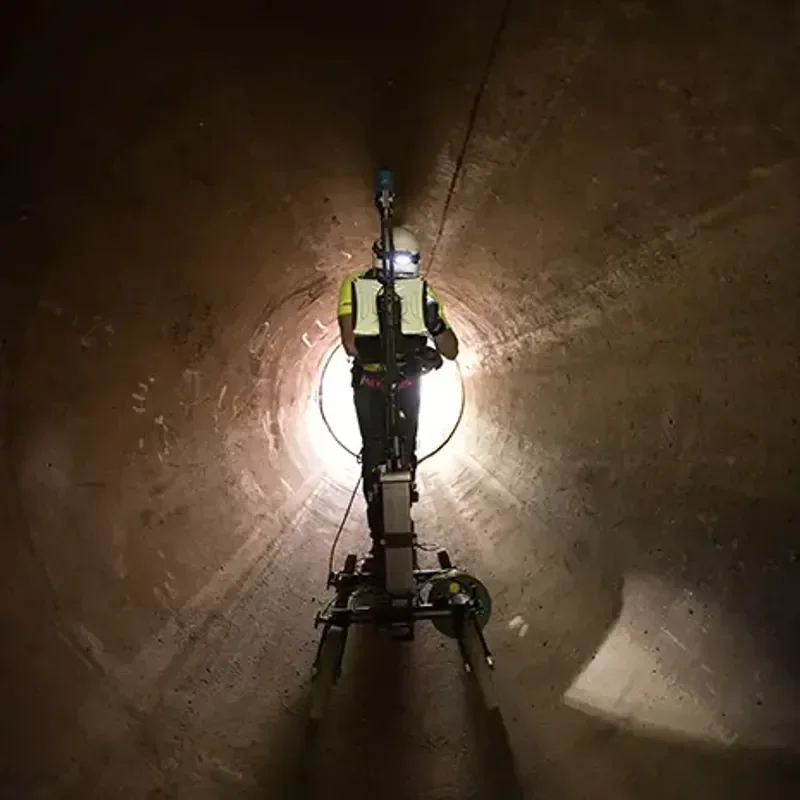
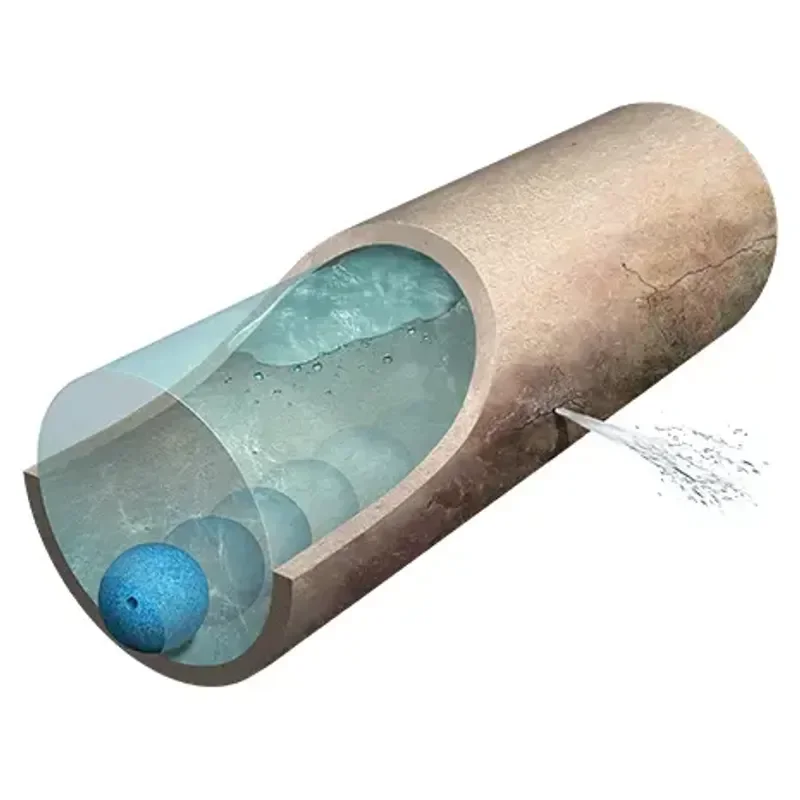
In-line (in-pipe) tools are inserted into a pressurised main and travel with the flow — free-swimming sensors, tethered platforms and instrumented spheres — listening acoustically from inside the pipe. Because the sensor is in direct contact with the water and only metres from any leak, in-line tools achieve very high sensitivity on large-diameter transmission mains where surface and fixed-sensor methods struggle. This page compares in-line acoustic leak-detection and condition-assessment platforms.
Compare 7 in-line leak detection & pipe inspection
✓ marks models with a verified manufacturer datasheet or official source.
| Product | Manufacturer | Type | Method | Source |
|---|---|---|---|---|
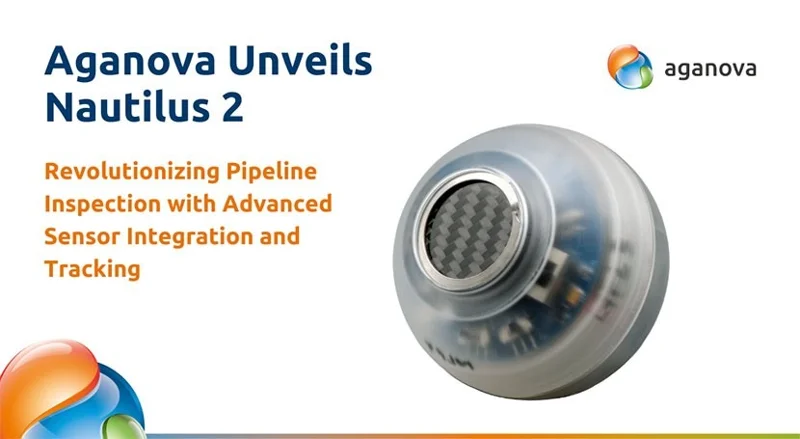
| Aganova Nautilus | Aganova | In-Pipe Acoustic Inspection | In-pipe acoustic | · |
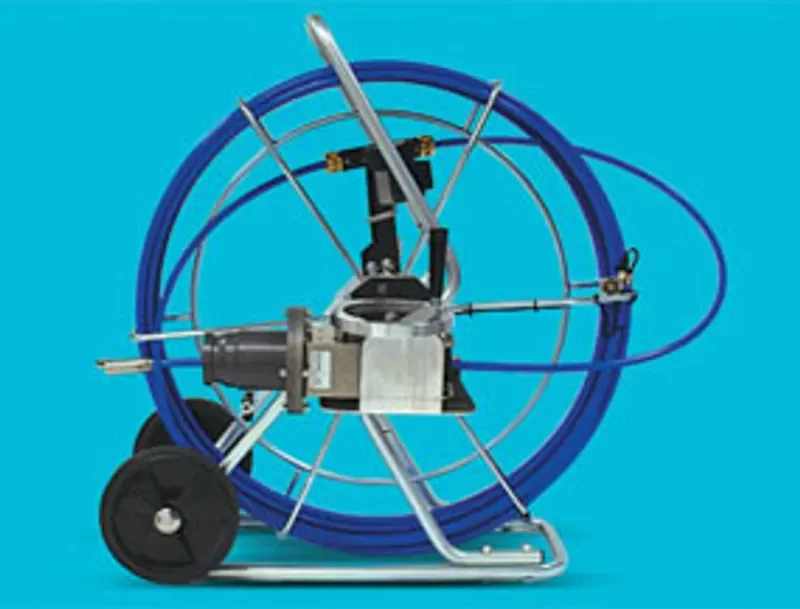
| Investigator E | Aquam | In-Pipe CCTV + Hydrophone | In-pipe acoustic | · |
| Investigator Pro | Aquam | In-Pipe CCTV + Hydrophone | In-pipe acoustic | · |
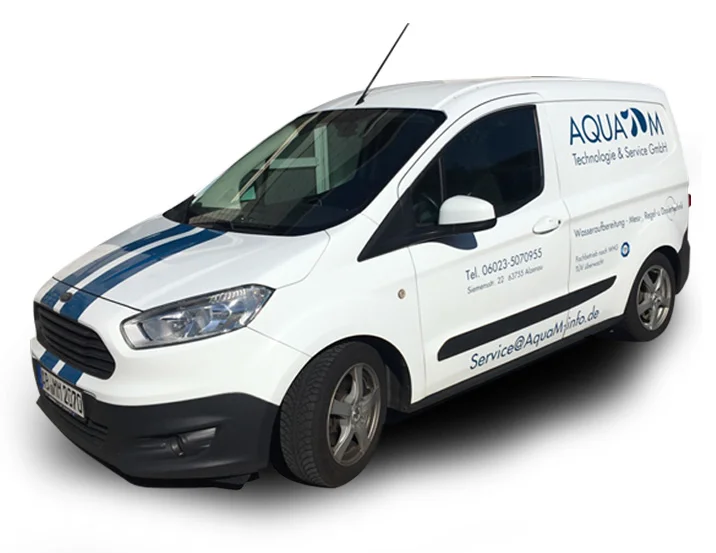
| Portability: Vehicle-mounted | Aquam | Acoustic leak-detection device | In-pipe acoustic | · |
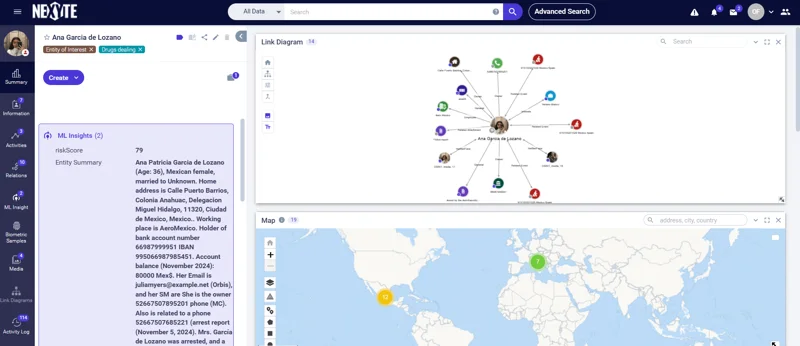
| Software Platform: Investigator Software, LiveFeed compatible | Aquam | Acoustic leak-detection device | In-pipe acoustic | · |
| Sahara Inline Tethered Inspection Platform | Pure Technologies | Acoustic leak-detection device | In-pipe acoustic | · |
| SmartBall Inline Free-Swimming Inspection Platform | Pure Technologies | Acoustic leak-detection device | In-pipe acoustic | · |
How in-line acoustic tools work
A sensor carrier is inserted into the live main through a tapping or valve and carried by the flow. As it passes a leak or trapped gas pocket, the in-pipe hydrophone records the characteristic acoustic signature; tethered systems are pushed/pulled on a cable while free-swimming systems are tracked above ground. Because the sensor is inside the pipe and close to the source, even very small leaks on large-diameter mains — which radiate little noise to the surface — are detected and located.
How to choose
- Free-swimming vs tethered. Free-swimming tools cover long transmission runs in one insertion; tethered platforms give controlled, repeatable inspection over shorter sections.
- Pipe size and access. In-line tools need a suitable insertion/extraction point and are aimed at large-diameter mains, not distribution networks.
- Leak + condition data. Some platforms also map gas pockets and pipe-wall/prestressing-wire condition in the same run.
- Operational risk. Insertion into a live main is a specialised service — most are delivered as a managed inspection rather than owned hardware.
Browse all in-line leak detection & pipe inspection

Frequently asked questions
How is in-line leak detection different from a noise logger?
A noise logger is fixed to the outside of the pipe at one point and listens night after night. An in-line tool travels inside the pipe past every metre of it in a single inspection, getting far closer to any leak — ideal for one-off, high-sensitivity surveys of large-diameter mains.
Why are in-line tools used on large-diameter mains?
Large-diameter and plastic mains radiate very little leak noise to the surface or to externally-mounted sensors, so surface and fixed-sensor methods miss small leaks. An in-pipe hydrophone sits in the water close to the leak and detects what external methods cannot.
Are in-line tools bought or hired as a service?
Most in-line acoustic inspections are delivered as a managed service by the manufacturer or a specialist contractor, because live insertion, tracking and extraction require trained crews and equipment.