DMA Leak Detection Equipment
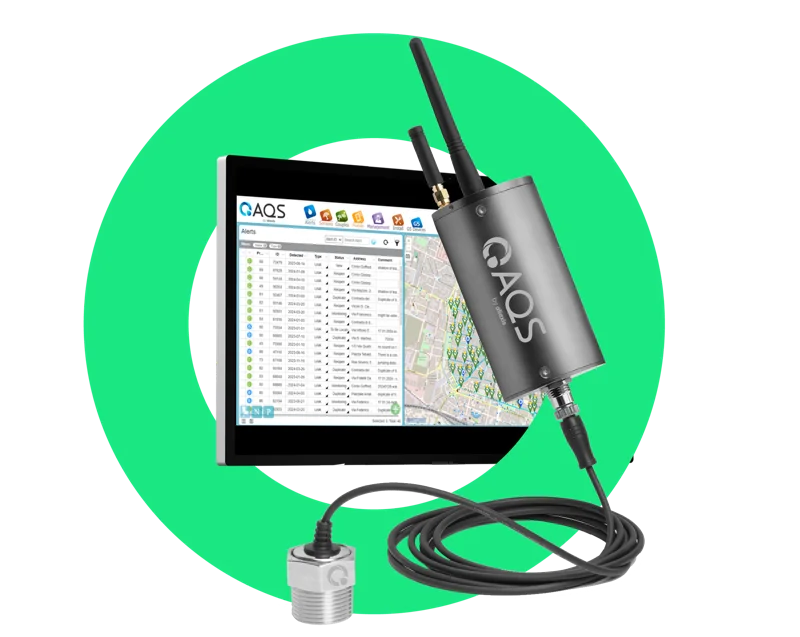
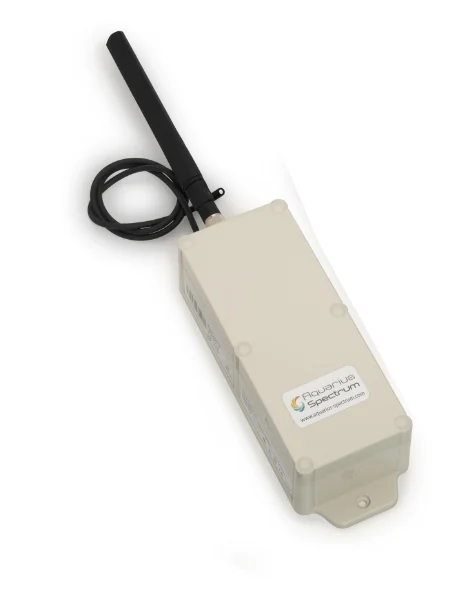
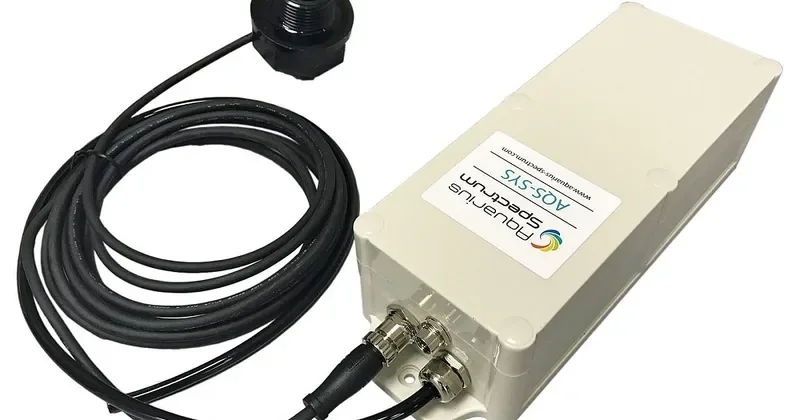
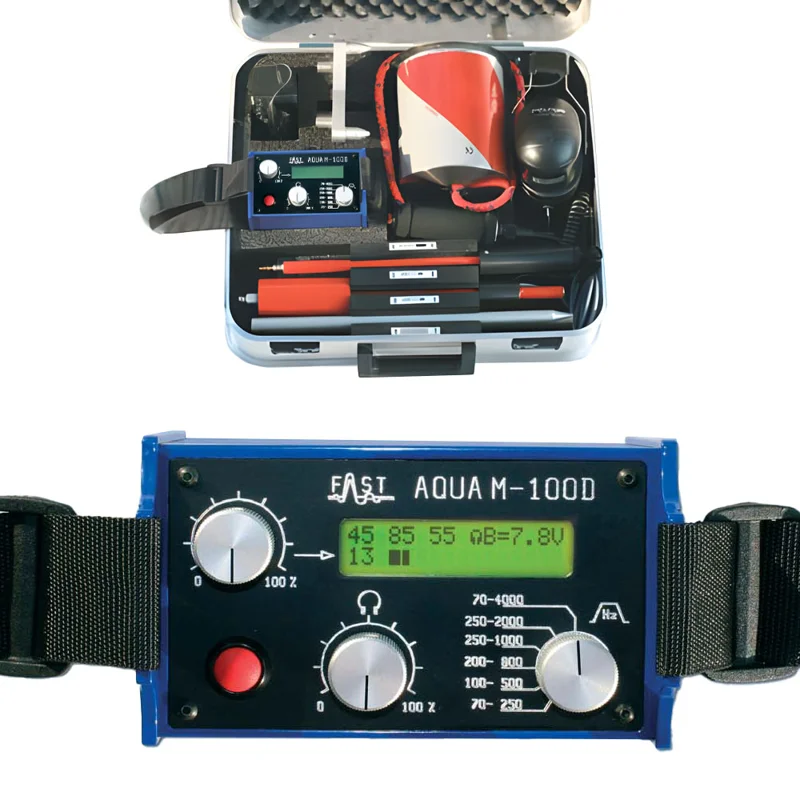
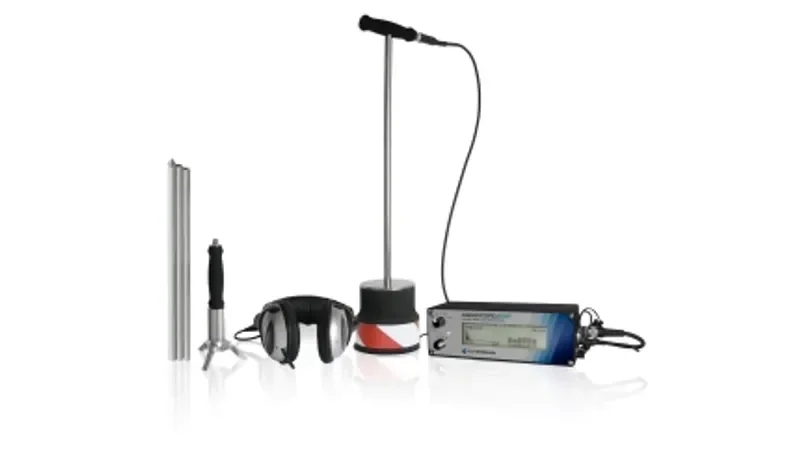
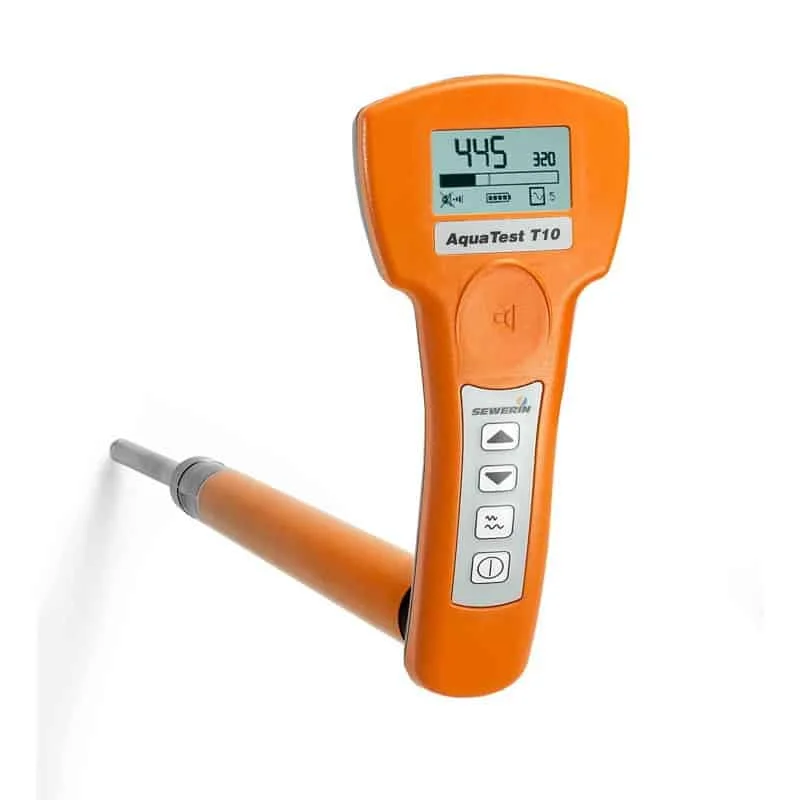
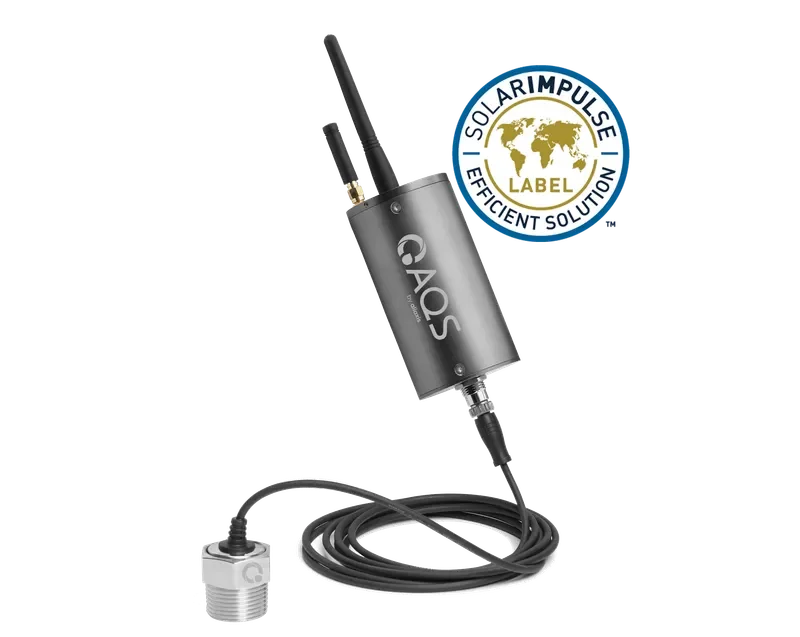
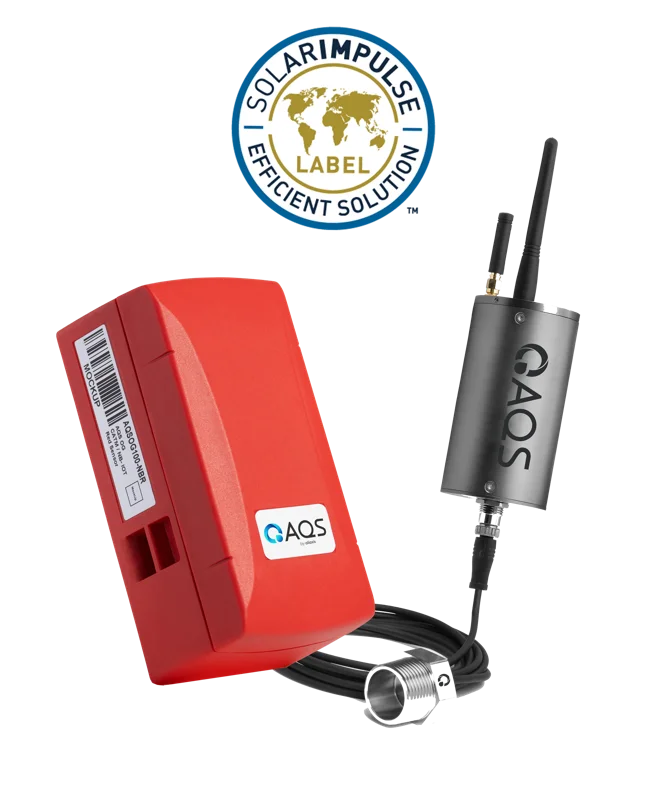
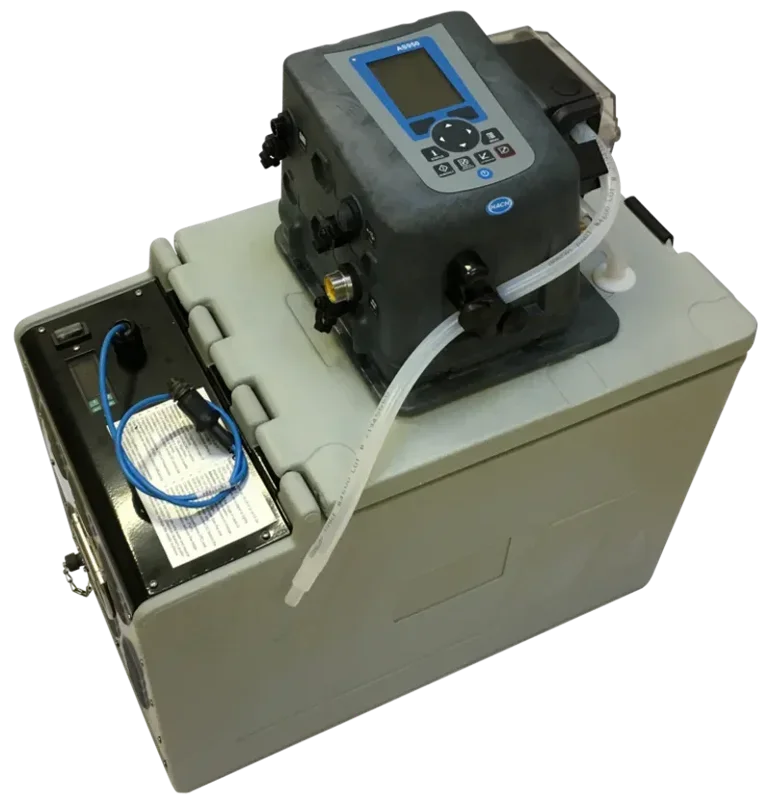
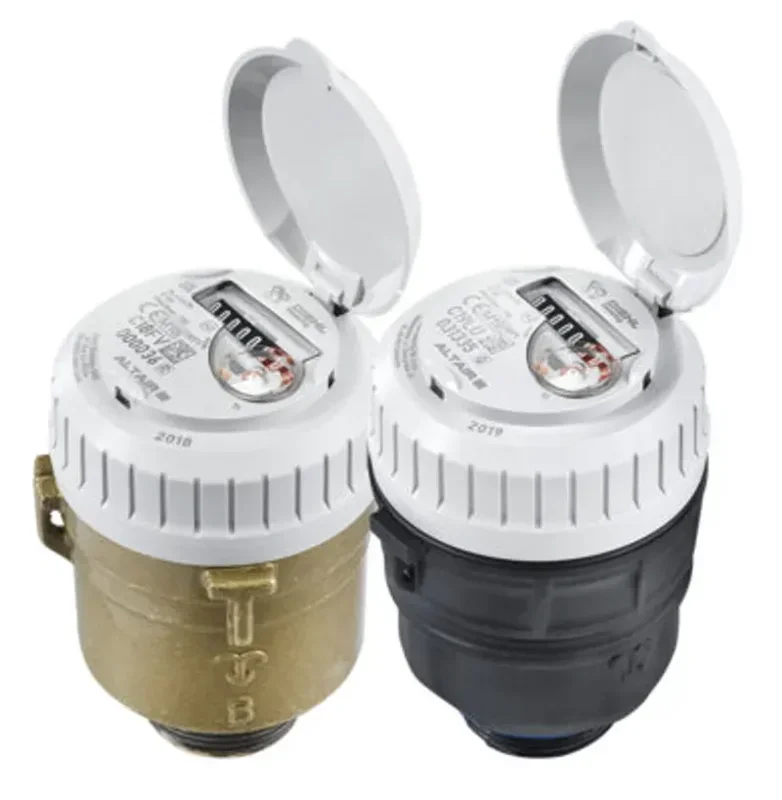
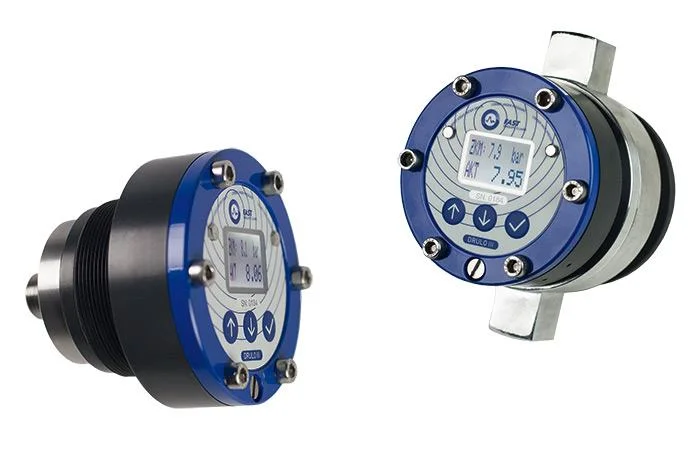
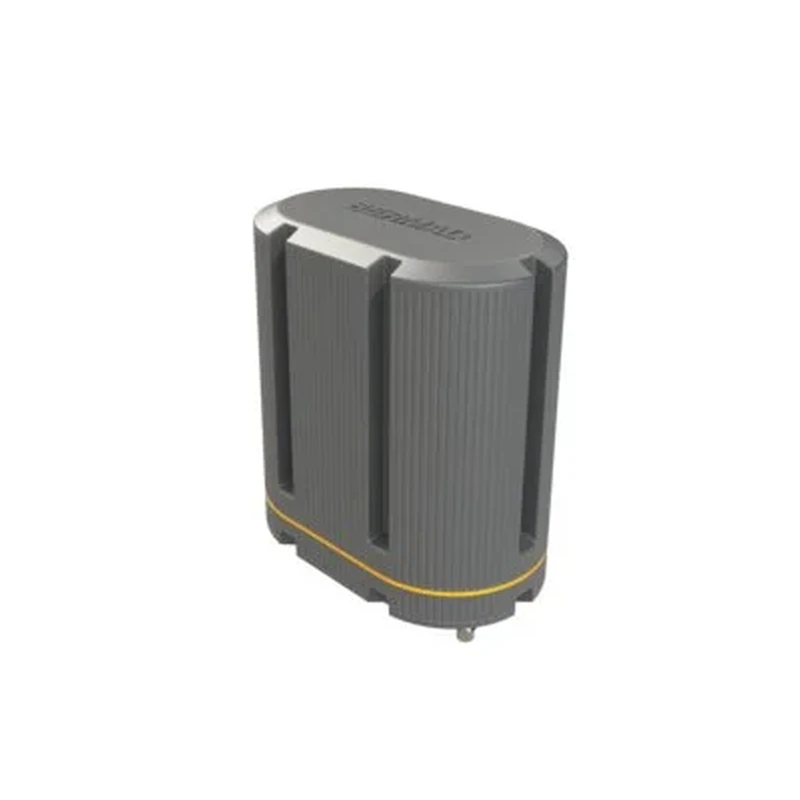
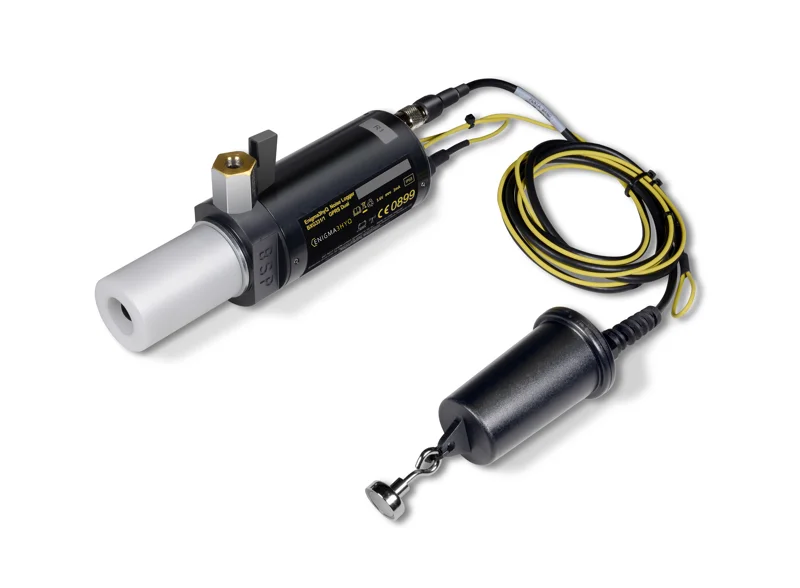
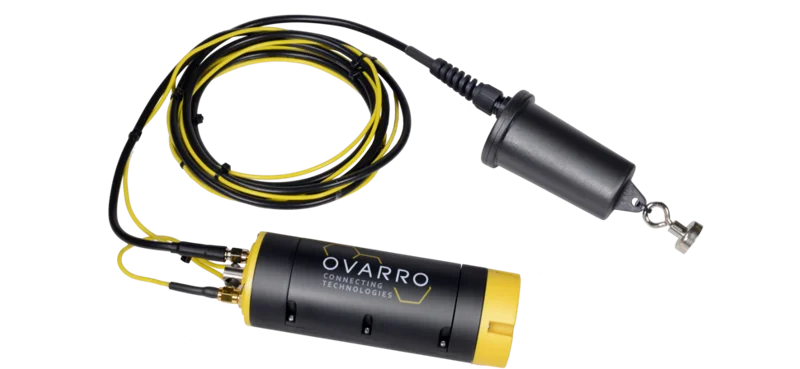
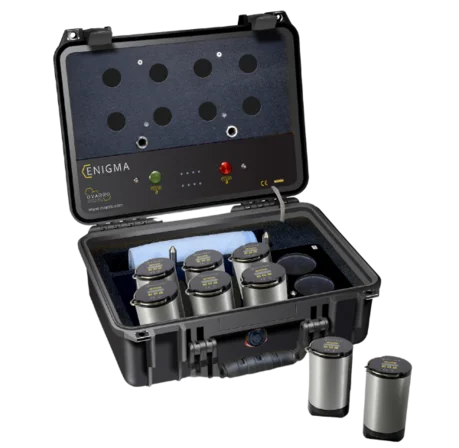
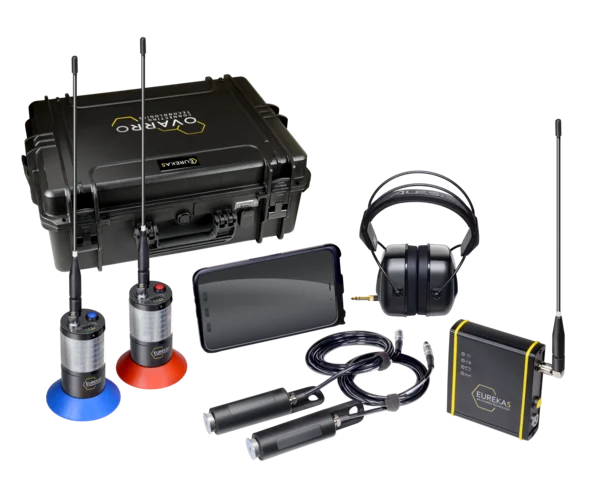
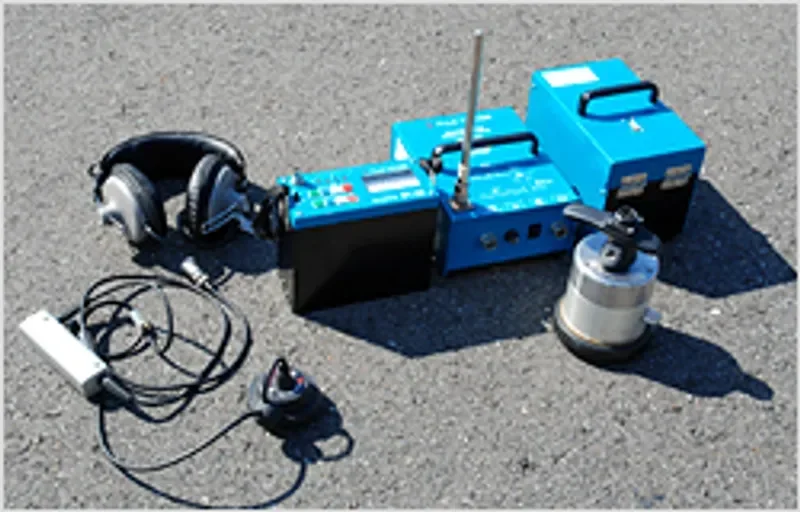
District-metered areas (DMAs) are the backbone of non-revenue-water reduction: by isolating the network into measured zones you can spot rising leakage early and target survey effort. This page brings together the equipment that makes a DMA programme work — noise loggers, correlators, pressure and flow loggers, and AI leak analytics — with verified specifications and source datasheets.
What to look for
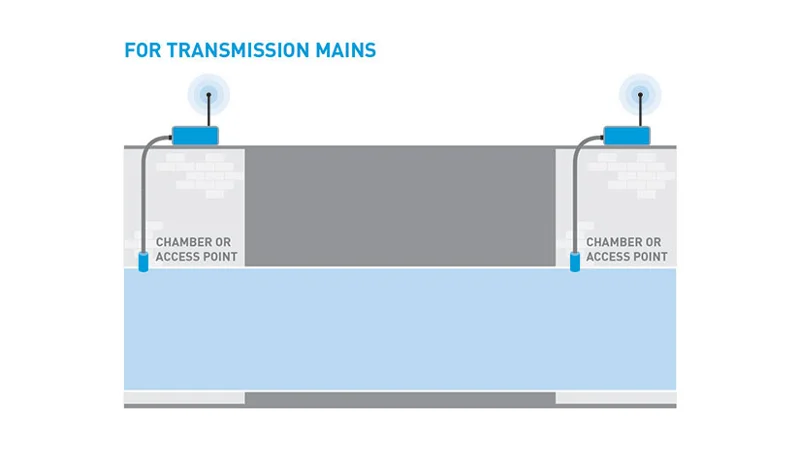
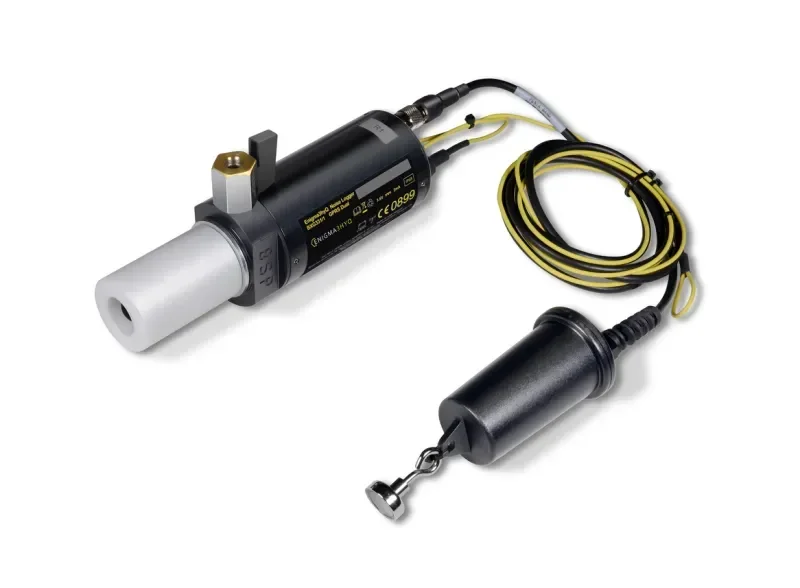
- A clear acoustic strategy: permanent loggers for monitoring, correlators for pinpointing.
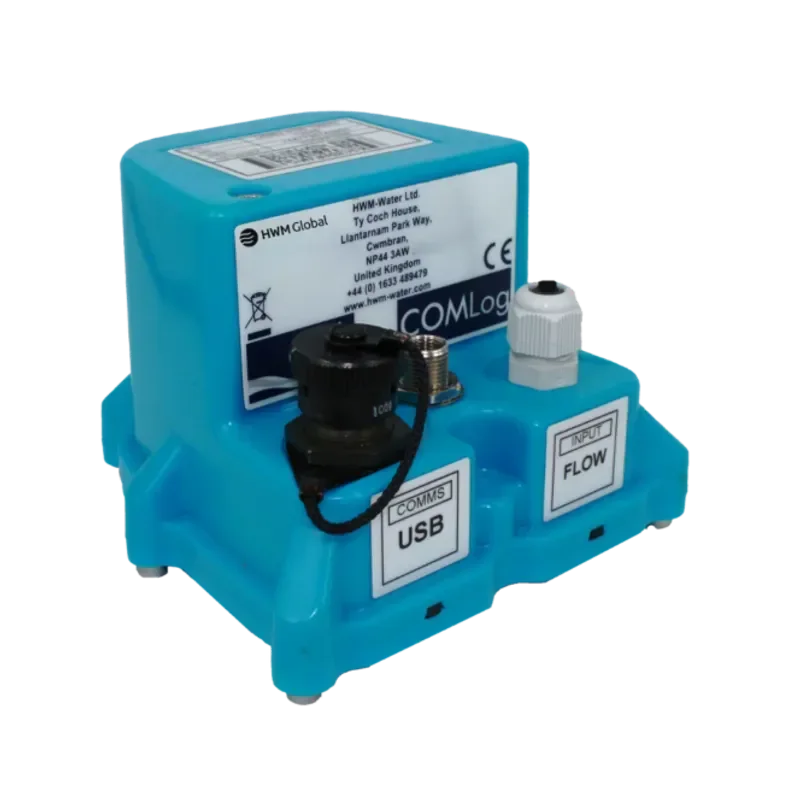
- Pressure and flow logging for minimum-night-flow analysis and zone balancing.
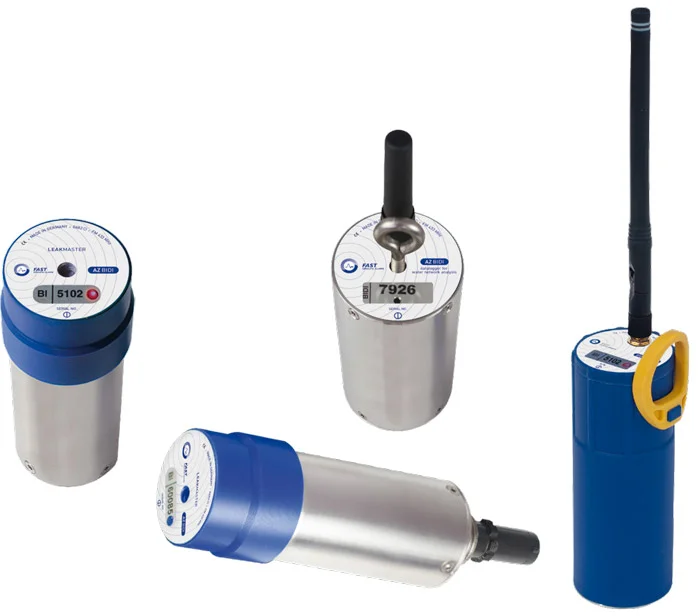
- Communication that fits your network: NB-IoT, LoRaWAN, 4G or drive-by.
- Cloud analytics that consolidate alarms and map leaks onto your GIS.
- Verified IP rating, battery life and approvals against the manufacturer datasheet.
196 matching products
All products →Showing 48 of 196 matching products. Browse all products →

Frequently asked questions
What equipment do I need for DMA leak detection?
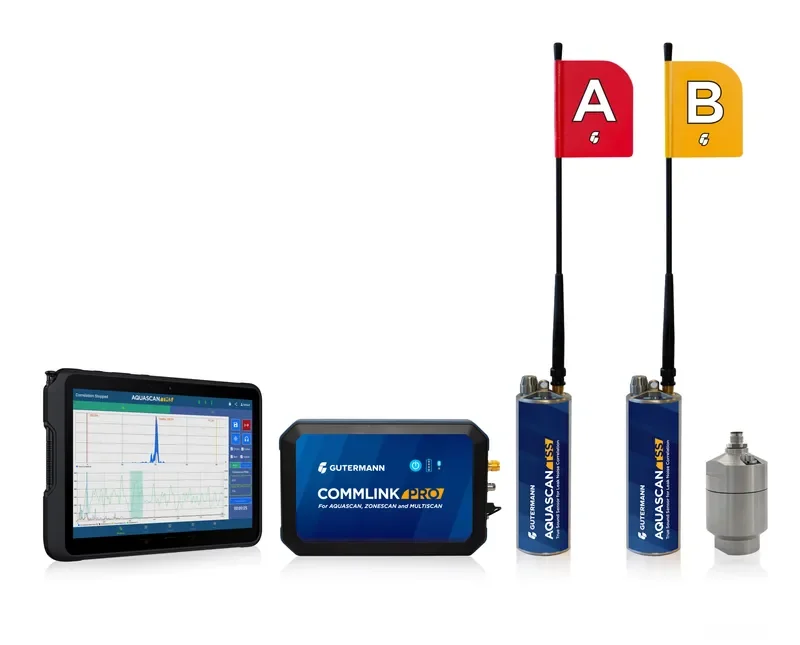
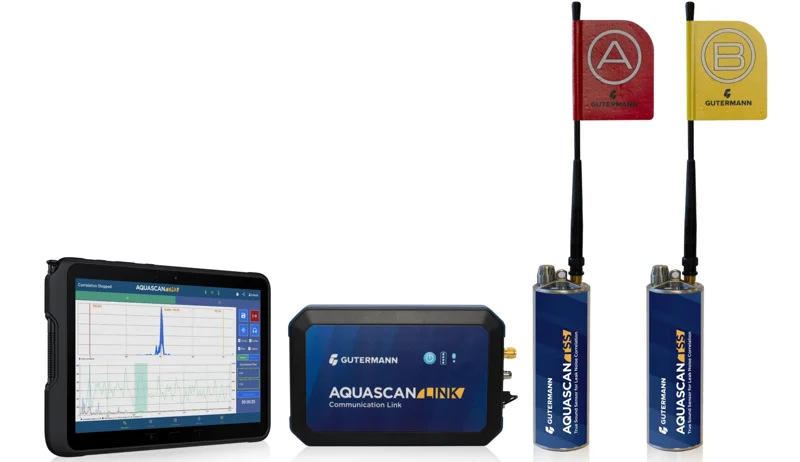
A typical DMA programme combines a zone meter (often with minimum-night-flow logging), permanent acoustic noise loggers to localise leakage, a correlator to pinpoint, and a cloud platform to consolidate alarms. Pressure logging and transient monitoring add early warning of bursts.
How does DMA monitoring reduce non-revenue water?
Splitting the network into measured zones lets you compare input volume against consumption and watch minimum night flow. A rising night flow signals new leakage in that specific zone, so crews survey a small area instead of the whole network — finding and fixing leaks faster.
Permanent loggers or lift-and-shift survey?
Permanent (fixed-network) loggers continuously watch high-priority zones and catch new leaks within days. Lift-and-shift loggers are redeployed area by area for periodic surveys at lower hardware cost. Many utilities combine both.