Acoustic Leak Noise Correlators
A leak noise correlator pinpoints the position of a leak by measuring the tiny time difference between the leak sound arriving at two sensors placed on the pipe either side of it. Knowing the pipe length, material and sound velocity, the correlator computes where along the pipe the noise originates — turning 'there is a leak in this street' into 'dig here'. This page compares correlators and correlating loggers from the leading manufacturers.
Compare 31 acoustic leak noise correlators
✓ marks models with a verified manufacturer datasheet or official source.
| Product | Manufacturer | Type | Sensor | Connectivity | Source |
|---|---|---|---|---|---|
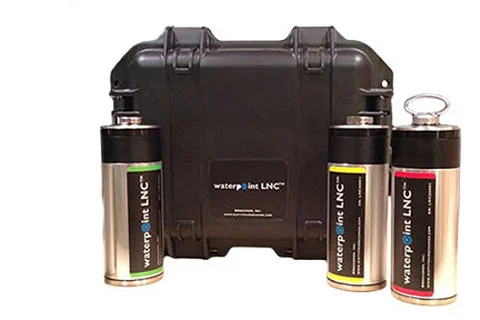
| 64 Seconds WaterPoint LNC2 | 64 Seconds | Leak Noise Correlator | — | Wireless | · |
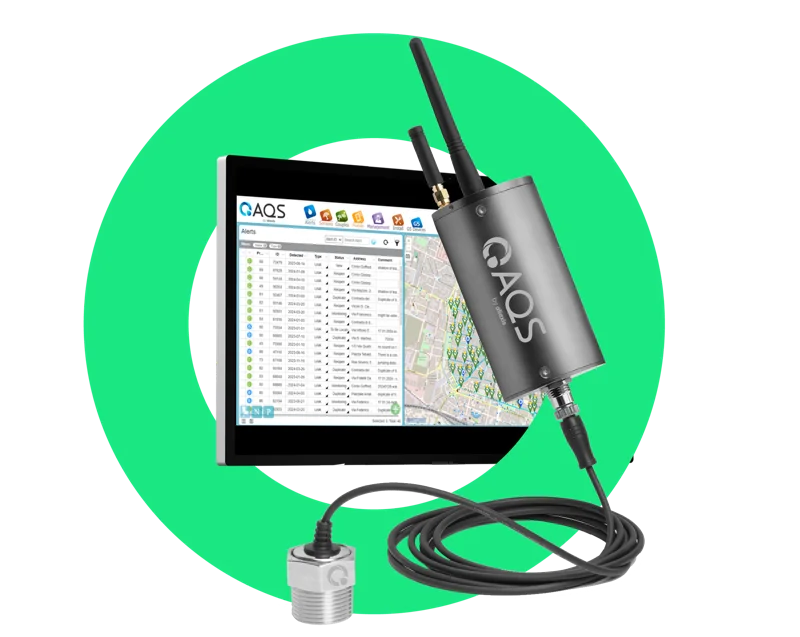
| AQS Multi-Sensor | Aquarius Spectrum | Fixed hydrophone + pressure multi-sensor | Hydrophone + pressure se | Cellular 3G/4G or CAT-M/ | ✓ |
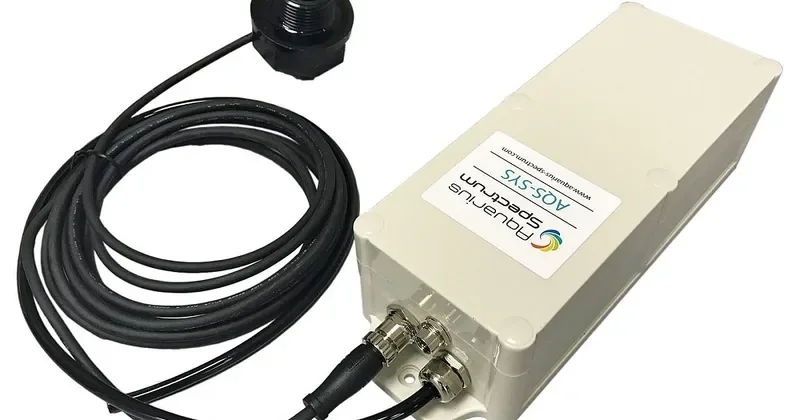
| AQS-Sense | Aquarius Spectrum | Fixed acoustic correlating leak sensor | Accelerometer or hydroph | Cellular CAT-M / NB-IoT | ✓ |
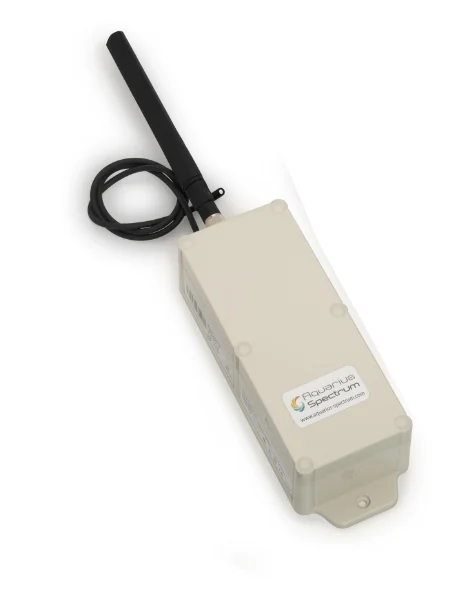
| AQS-V Sensor | Aquarius Spectrum | Fixed correlating vibration (acceleromet | Accelerometer (vibration | Cellular CAT-M / NB-IoT | ✓ |
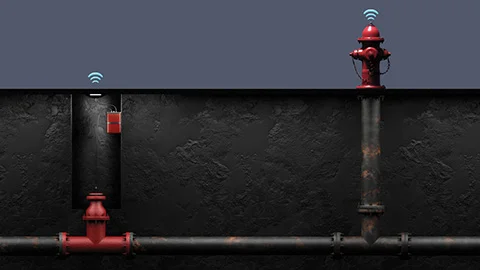
| EchoShore-DX System | Echologics | Fixed acoustic leak-detection system (hy | Acoustic sensors (hydran | Cellular SIM to cloud; t | ✓ |
| Echologics EchoShore-DXe | Echologics | Fixed acoustic leak-detection node (valv | External magnetic surfac | Cellular SIM to cloud; m | ✓ |
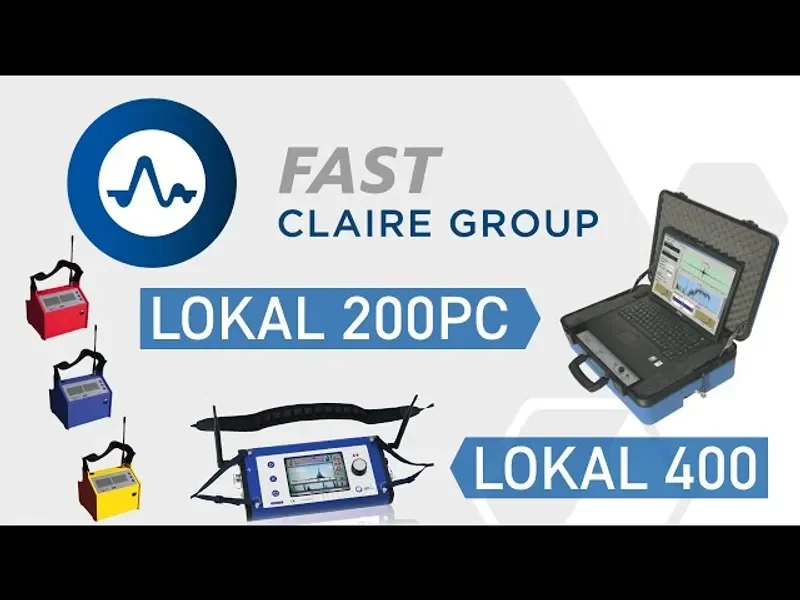
| LOKAL 200 PC | FAST | Acoustic Correlator | — | Radio | ✓ |
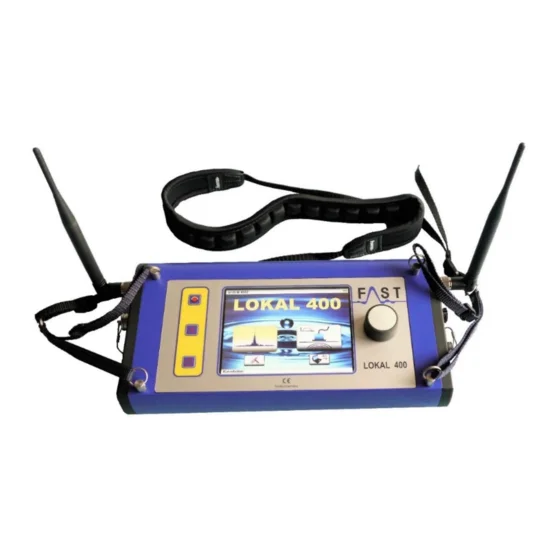
| LOKAL 400 | FAST | Acoustic Correlator, Ground Microphone | — | Radio | ✓ |
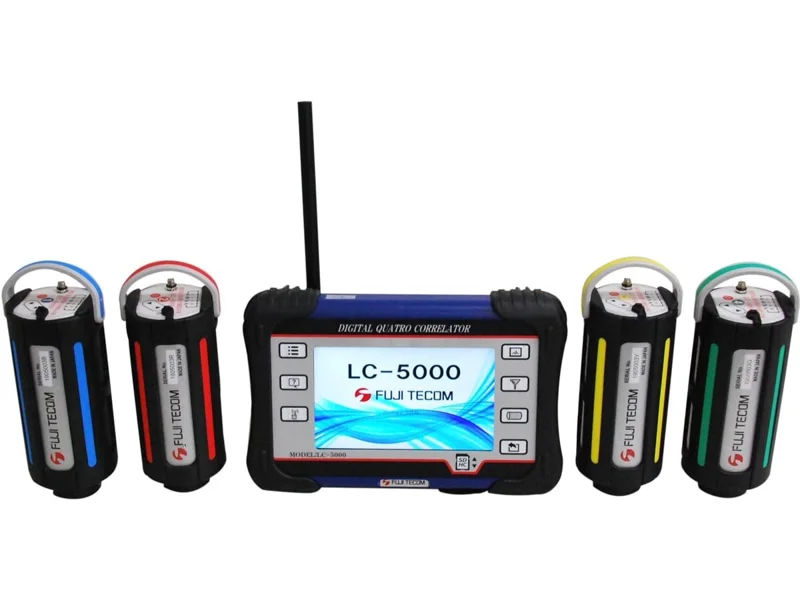
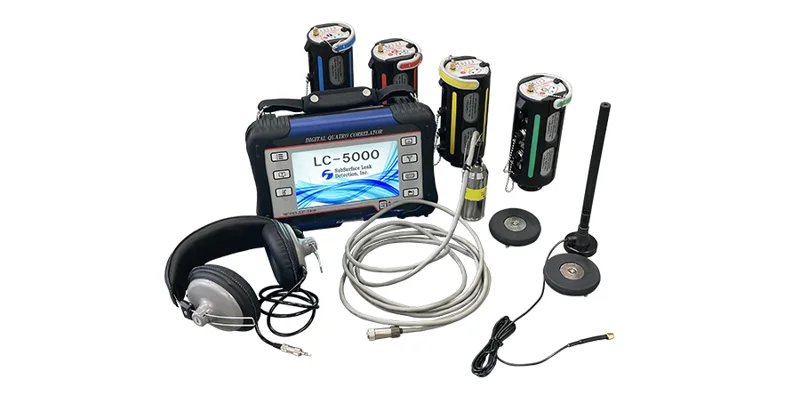
| FUJI DIGITAL QUATRO CORRELATOR LC-5000 | Fuji Tecom | Acoustic leak-detection device | — | Radio (with relay receiv | · |
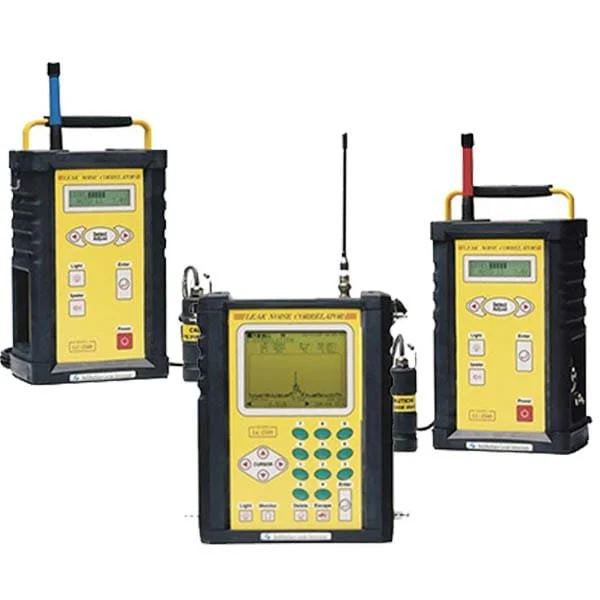
| Fuji Tecom LC-2500 Correlator | Fuji Tecom | Leak Noise Correlator | — | Radio | · |
| DXmic Pro | FCS | Ground Microphone | — | Wireless, USB | · |
| PermaNET SU | FCS | Correlating Noise Logger | — | LTE-M / NB-IoT with 2G f | ✓ |
| PermaNET TM GPS | FCS | Hydrophone Noise Logger | — | Cellular, GPS-synchronis | · |
| Tri-Corr Touch Pro | FCS | Leak Noise Correlator | — | Wireless radio sensors | · |
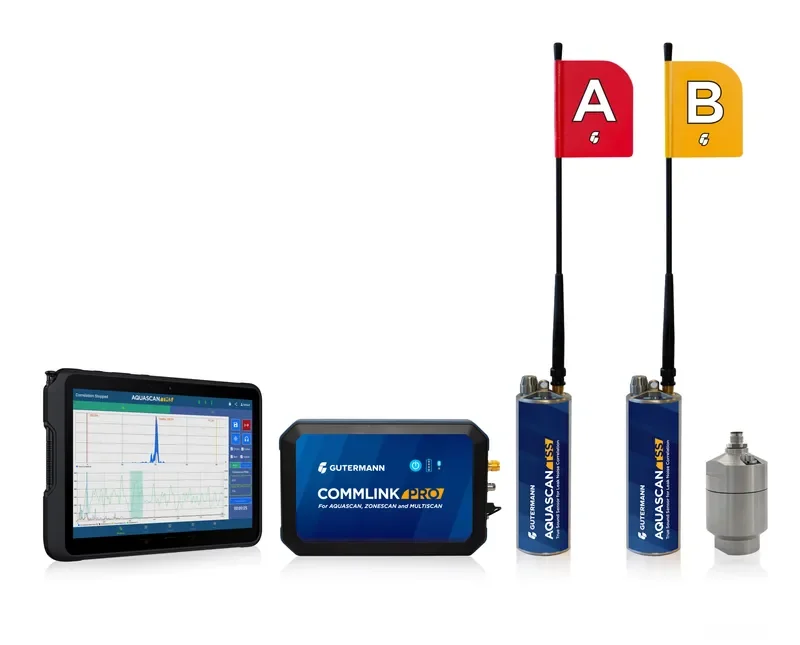
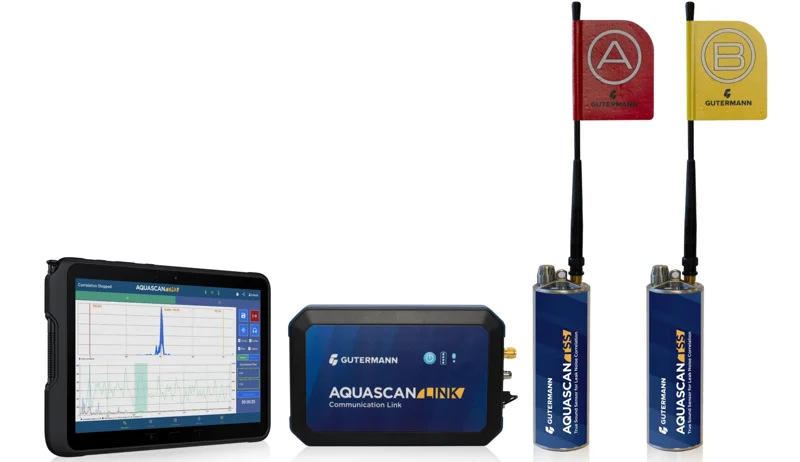
| AQUASCAN 760T | Gutermann | Automated Leak Locating Correlator with | — | Radio, LoRa | · |
| AQUASCAN TM3 | Gutermann | Trunk Main & Plastic Pipe Correlator wit | — | Radio, LoRa | · |
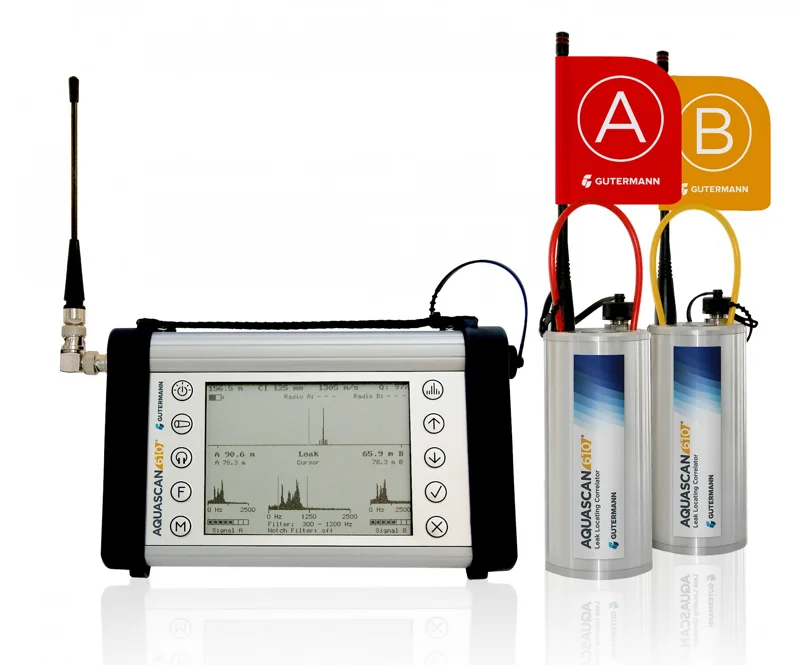
| Gutermann AQUASCAN 610 | Gutermann | Leak Noise Correlator | — | Wireless radio outstatio | · |
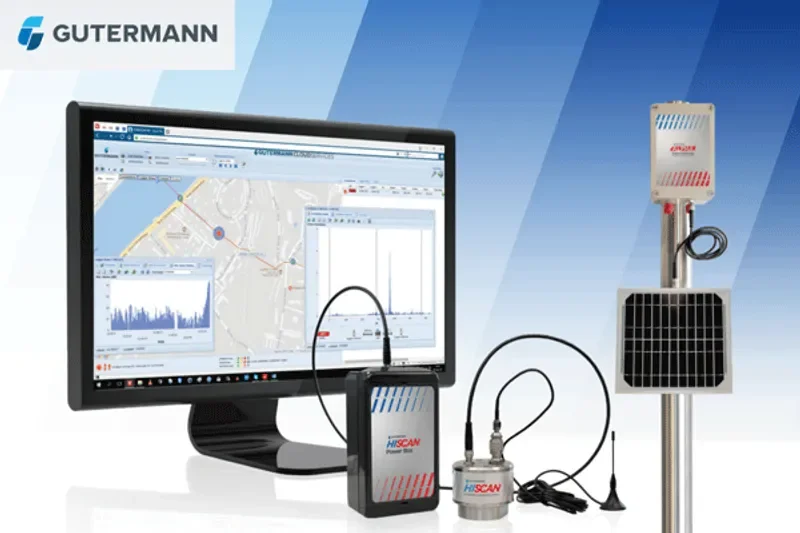
| Gutermann HISCAN | Gutermann | Hydrophone Sensor | — | — | · |
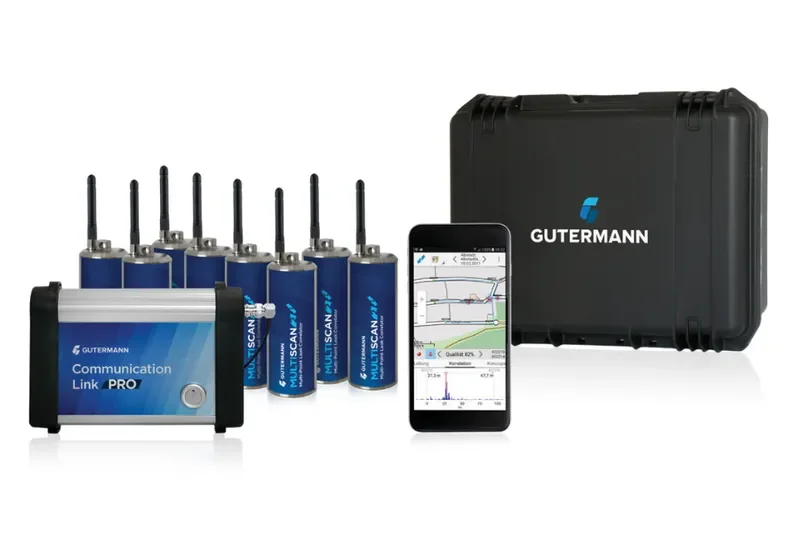
| MULTISCAN 2 | Gutermann | Multi-point Leak Correlator | — | Radio | · |
| HEDA Leak Noise Correlator | HEDA Technology | Leak Noise Correlator | — | Radio | · |
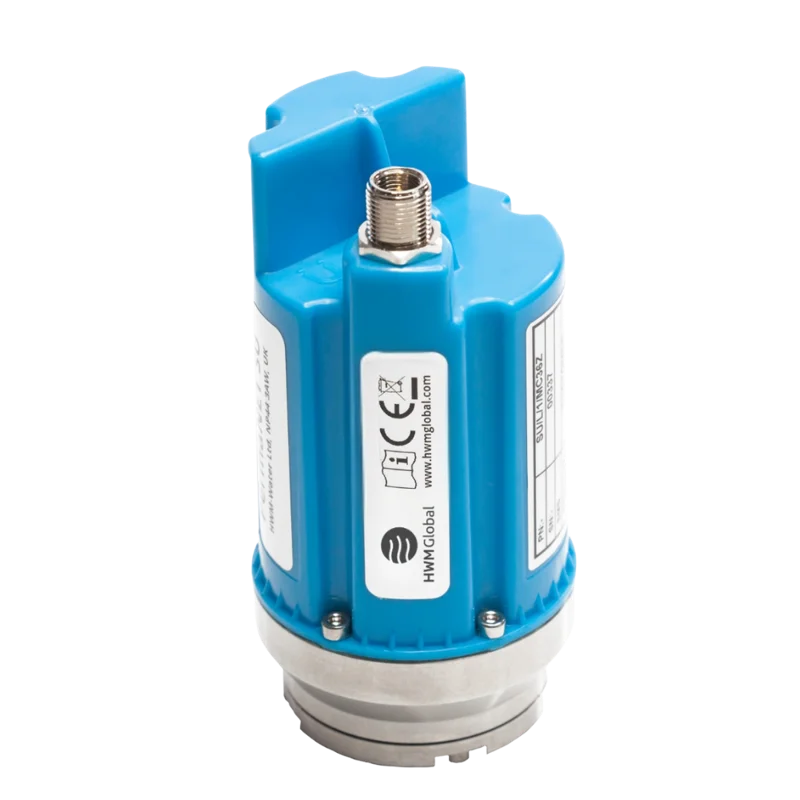
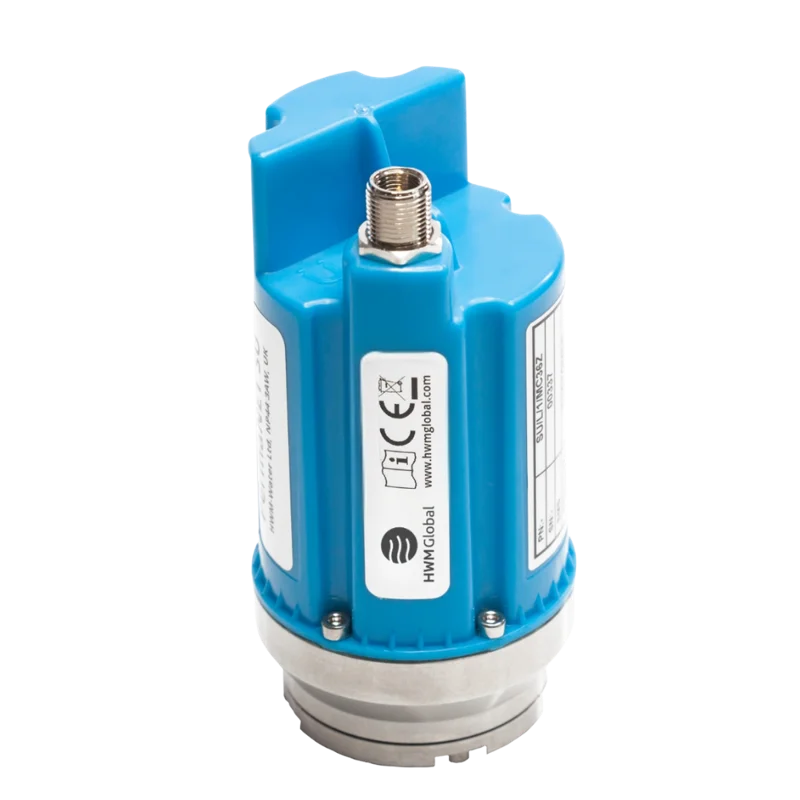
| PermaNet SU | HWM Global | Correlating Noise Logger | — | LTE-M / NB-IoT with 2G f | ✓ |
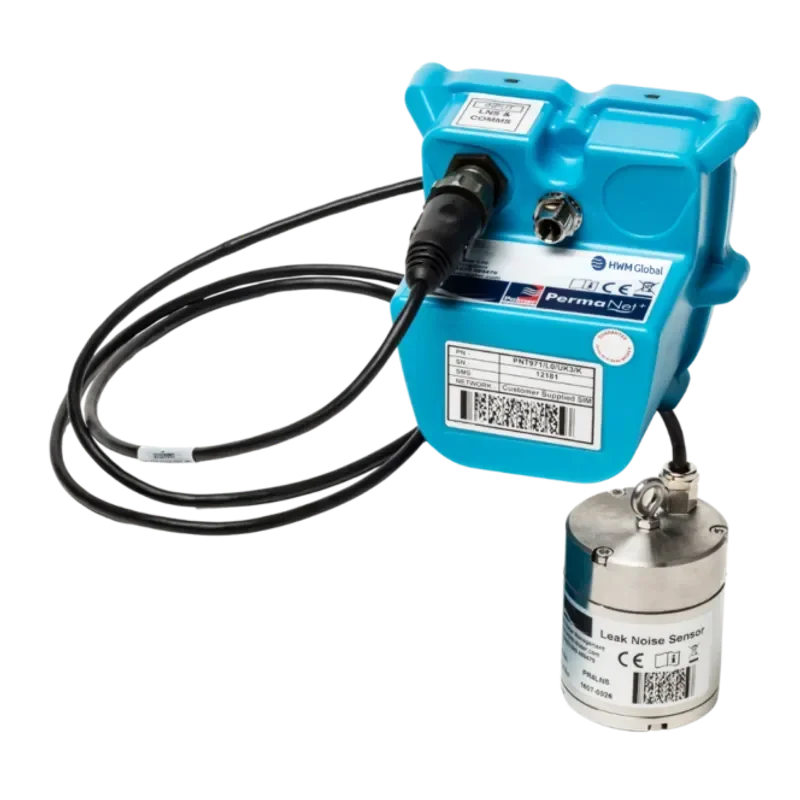
| PermaNet+ | HWM Global | Fixed Acoustic Leak Monitoring System | — | Cellular (GPRS/4G) | · |
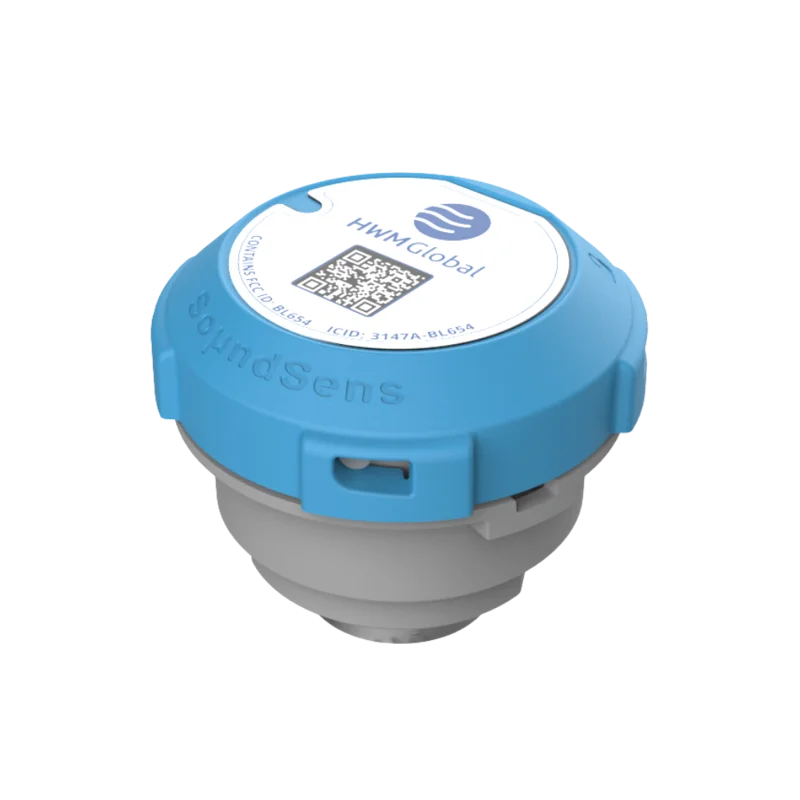
| SoµndSens | HWM Global | Multi-point Correlating Sensors | — | Bluetooth | · |
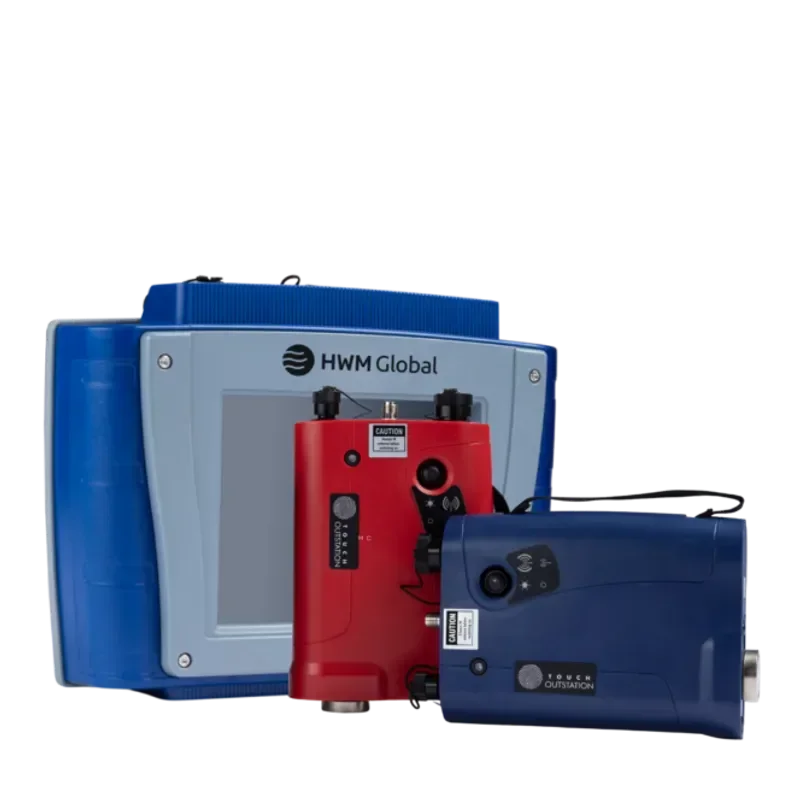
| Touch Pro | HWM Global | Leak Noise Correlator | — | Wireless radio outstatio | · |
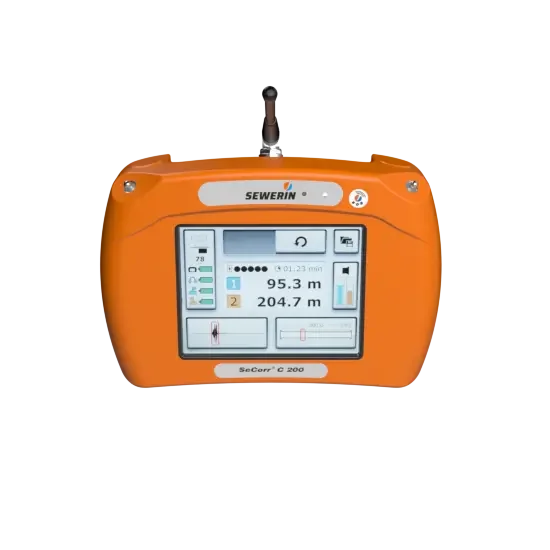
| SeCorr C 200 | Sewerin | Correlator | — | wireless | ✓ |
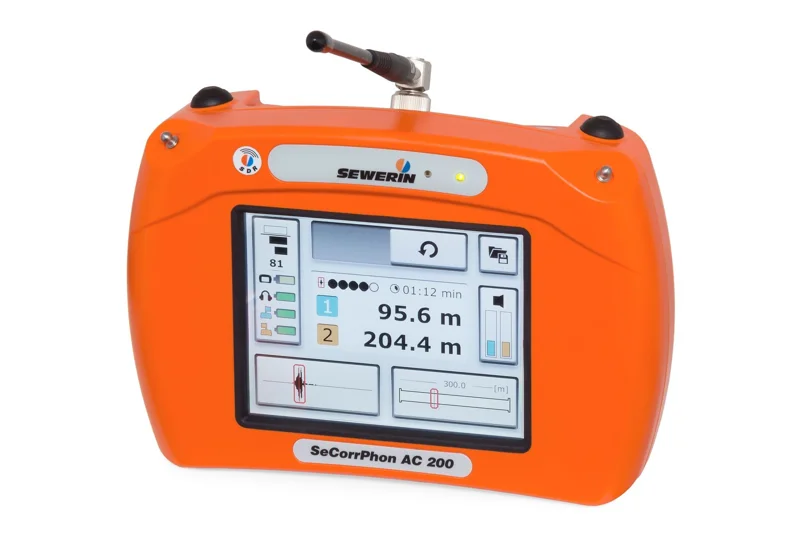
| SeCorrPhon AC 200 | Sewerin | Combination Leak Detector (Test Rod, Gro | — | wireless | ✓ |
| Eureka5 | Ovarro | Leak Noise Correlator | — | — | ✓ |
| SebaKMT Correlux C-3 | SebaKMT | Leak Noise Correlator | — | Radio | · |
| SebaKMT Correlux P-2 | SebaKMT | Leak Noise Correlator | — | Radio | · |
| SubSurface Instruments LC-5000 Quatro | SubSurface Instruments | Leak Noise Correlator | — | Radio / cable | · |
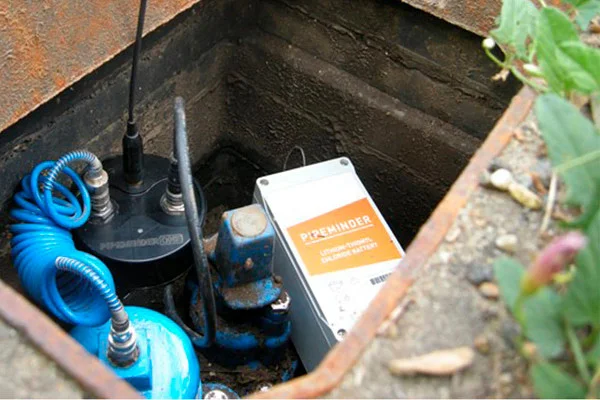
| Syrinix PIPEMINDER-T | PIPEMINDER | Acoustic + Pressure Monitor | — | Cellular | · |
How a leak noise correlator works
Two sensors (accelerometers or hydrophones) are coupled to the pipe at accessible points such as valves or hydrants. Leak noise travels along the pipe to both sensors; the correlator cross-correlates the two signals to find the time-of-flight difference, then combines it with the entered pipe length, diameter, material and the resulting sound-propagation velocity to calculate the leak position. Multi-point and correlating-logger systems automate this across many sensors overnight.
How to choose
- Sensor type matters by pipe material. Accelerometers suit metal/AC pipe; hydrophones perform better on plastic and large-diameter mains.
- Single-shot vs correlating loggers. Field correlators give an instant correlation on demand; correlating loggers deploy for nights and auto-correlate, ideal for hard-to-find or intermittent leaks.
- Number of channels / sensors. Multi-correlation across several sensors locates multiple leaks in one pass.
- Filtering and sound-velocity tools. Good digital filtering and automatic velocity calculation improve accuracy on noisy or mixed-material networks.
- Connectivity. Bluetooth/radio sensors and app/cloud results speed up field work and record history.
Browse all acoustic leak noise correlators





Frequently asked questions
What is the difference between a noise logger and a correlator?
A noise logger listens at one point and reports whether leak noise is present in a zone. A correlator uses two sensors and the time difference between them to calculate the leak's exact position. Correlating loggers combine both: they log nightly and correlate between neighbouring units.
How accurate is leak correlation?
On metallic pipe with good sensor coupling and correct pipe data, correlators typically locate a leak to within a metre or so over moderate sensor spacings. Accuracy falls on plastic and large-diameter mains, where hydrophones and shorter spacings help.
Accelerometer or hydrophone sensors for correlation?
Accelerometers couple to the pipe wall and work well on metal and asbestos-cement pipe. Hydrophones sense the pressure wave in the water and perform better on plastic and large-diameter mains, which carry structure-borne sound poorly.
Can correlators find leaks on plastic pipe?
Yes, but it is harder because plastic transmits leak noise poorly and slowly. Hydrophone sensors, accurate sound-velocity entry, tighter sensor spacing and low-frequency filtering significantly improve results on PE/PVC mains.