LoRaWAN Water Meters
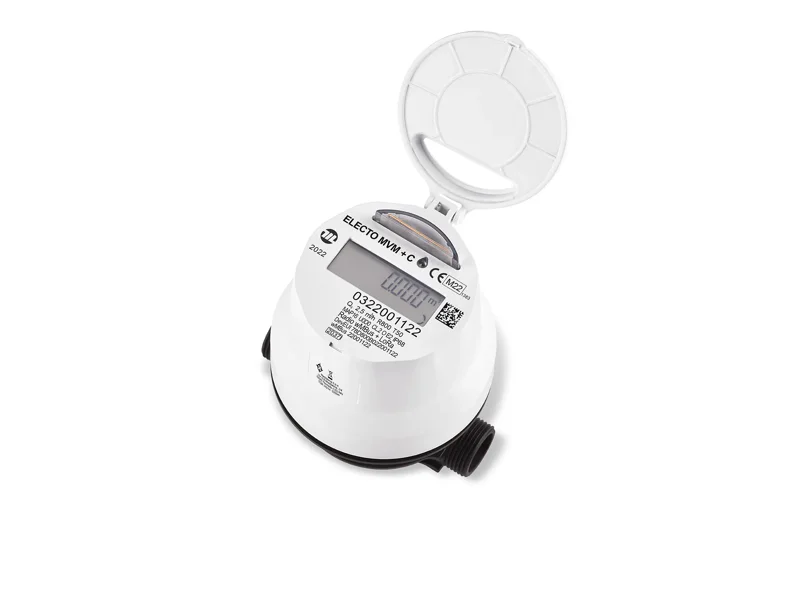
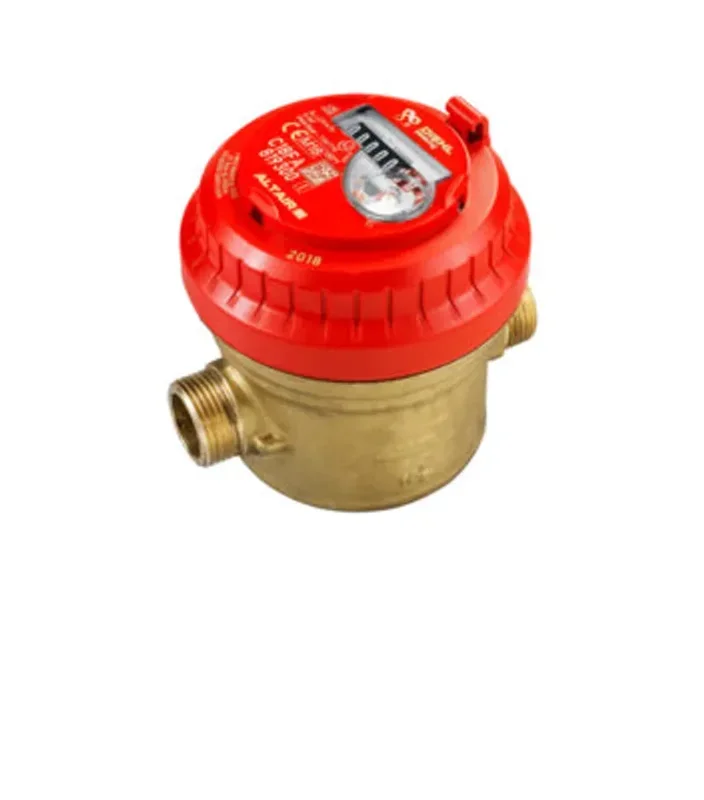
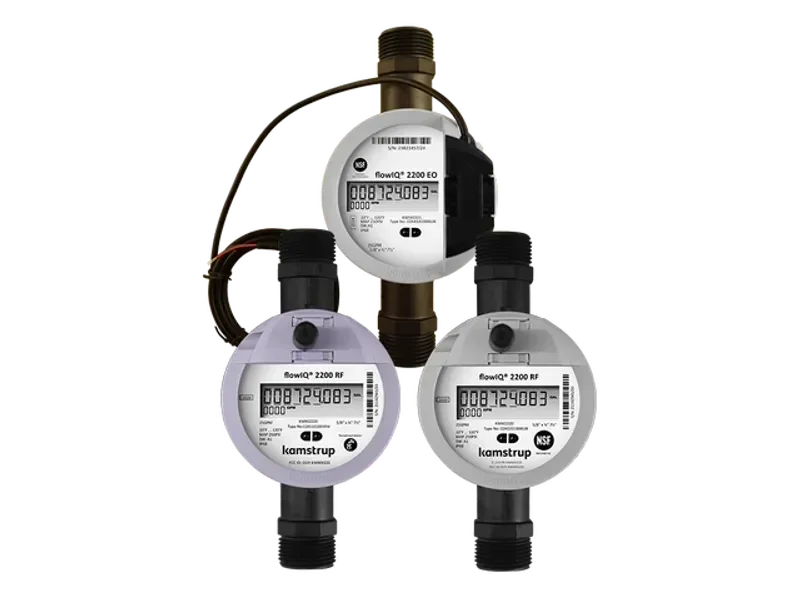
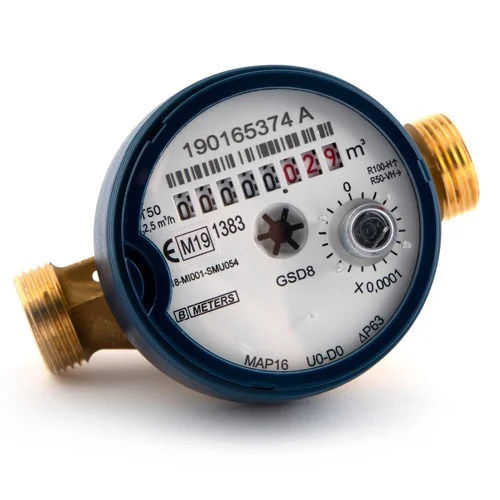
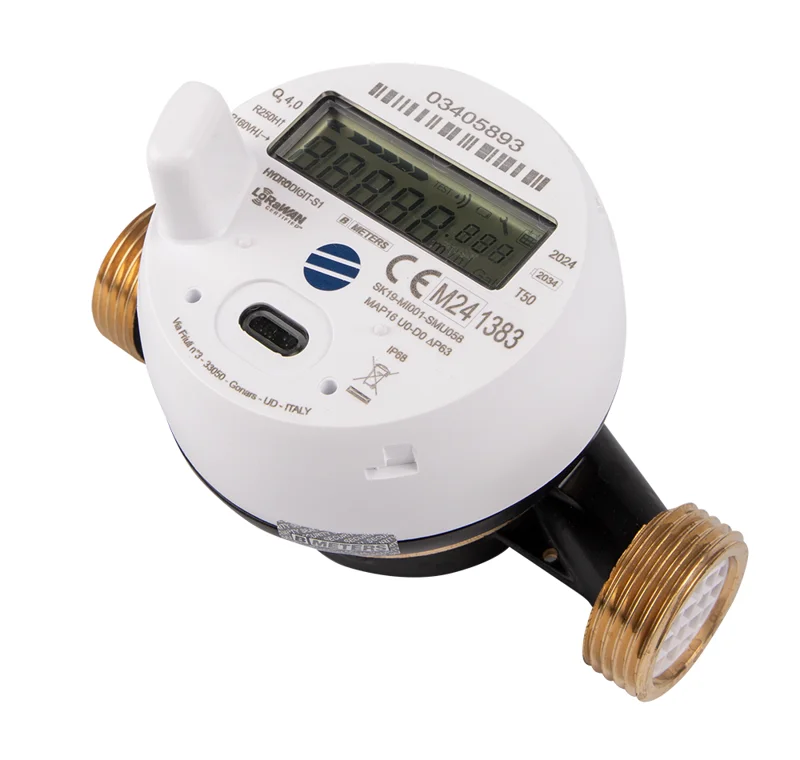
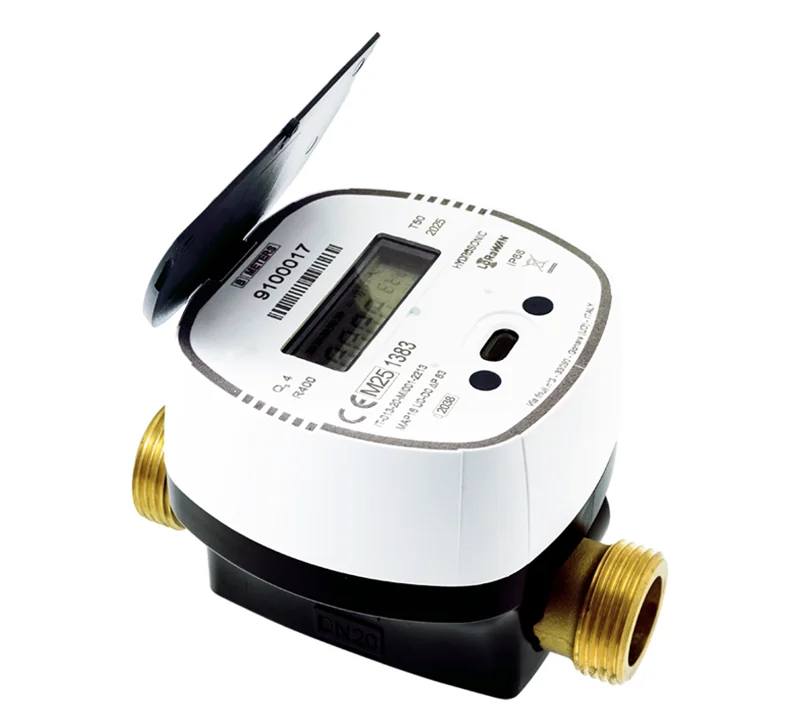
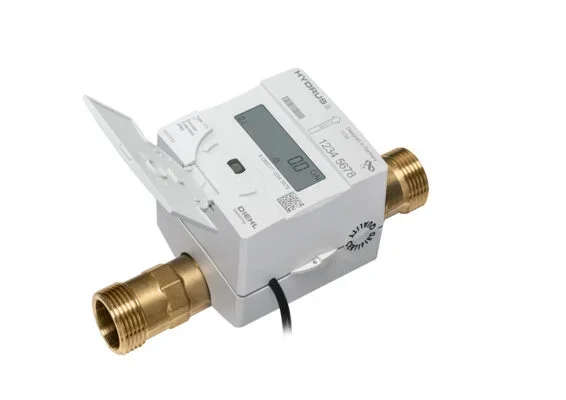
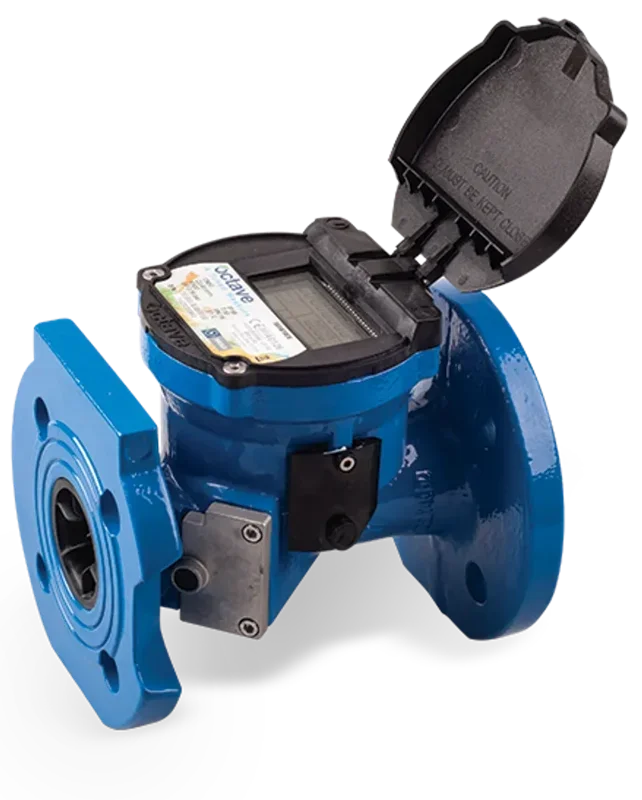
LoRaWAN water meters report consumption over long-range, low-power radio to a network you can own and operate, making them a common choice for AMI roll-outs and DMA metering. This page lists LoRaWAN-capable meters across manufacturers with verified specs and datasheet links so you can compare sizes, accuracy class and battery life.
What to look for
- Metrology accuracy class (e.g. R-value) and approvals such as OIML R49 / MID.
- Available DN sizes and connection type for your network.
- Battery life and whether the radio module is integral or a retrofittable add-on.
- LoRaWAN region/band support and whether it joins a public or private network.
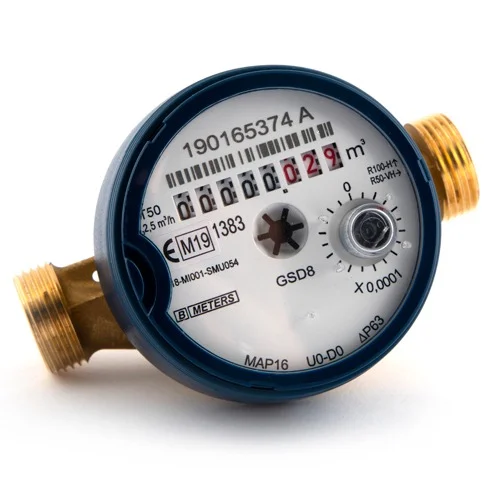
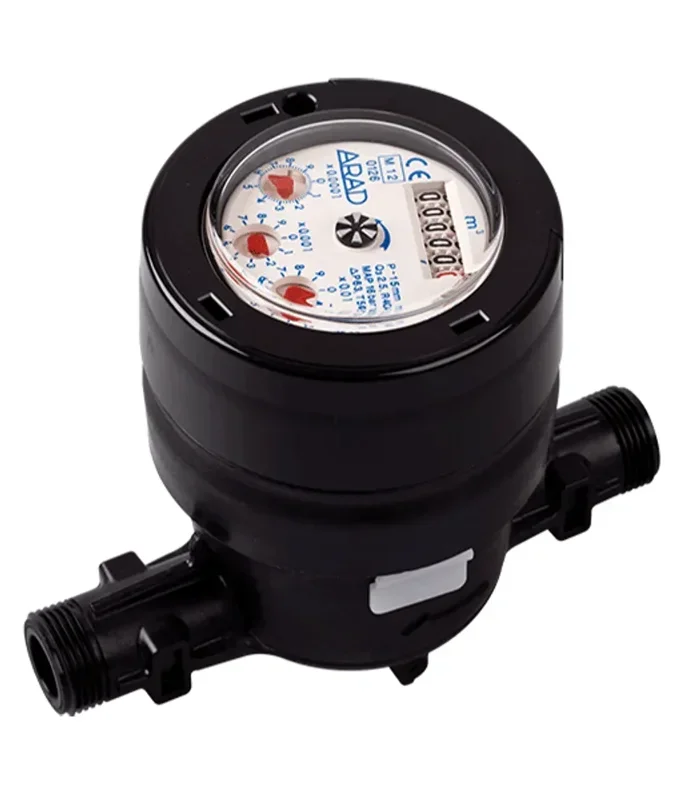
- Whether the meter is ultrasonic or mechanical, which affects low-flow accuracy and lifespan.
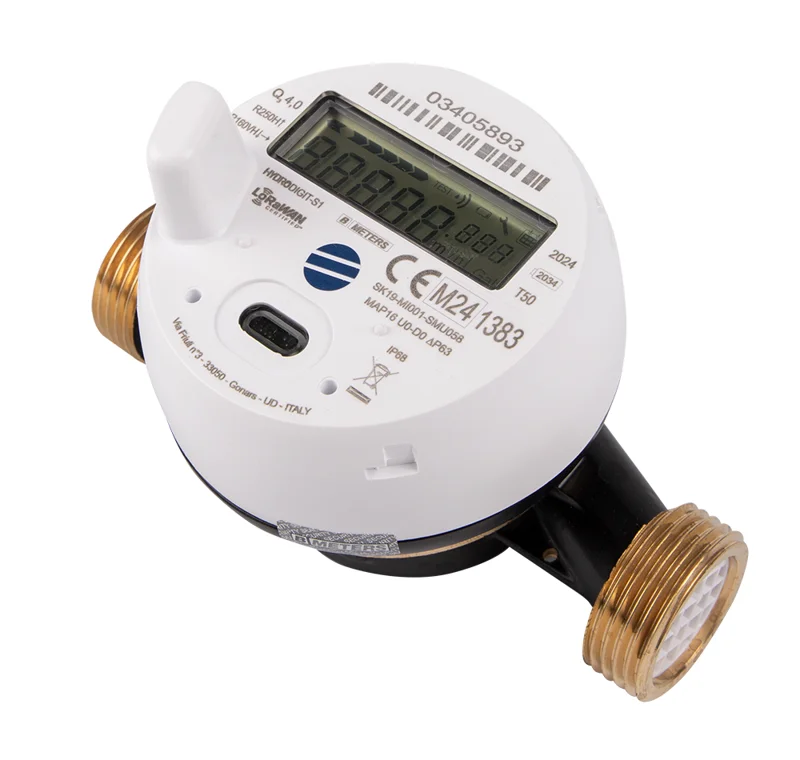
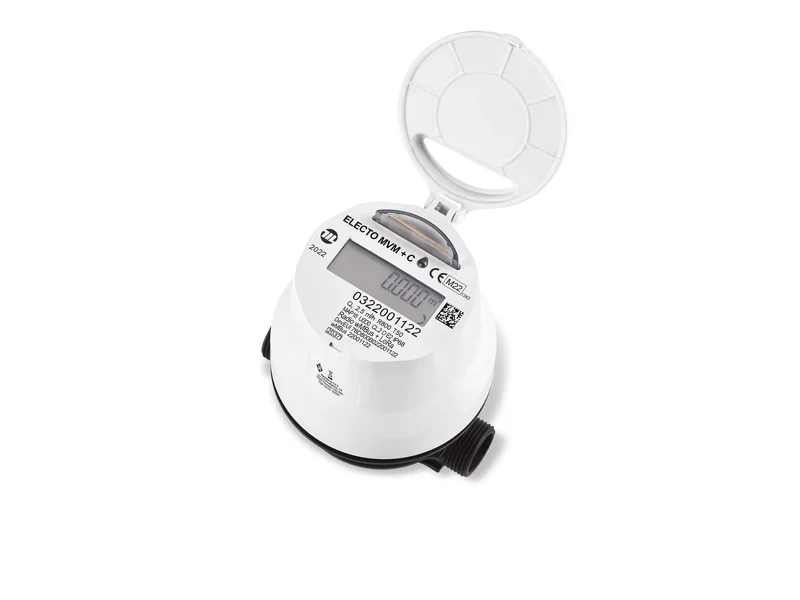
24 matching products
All products →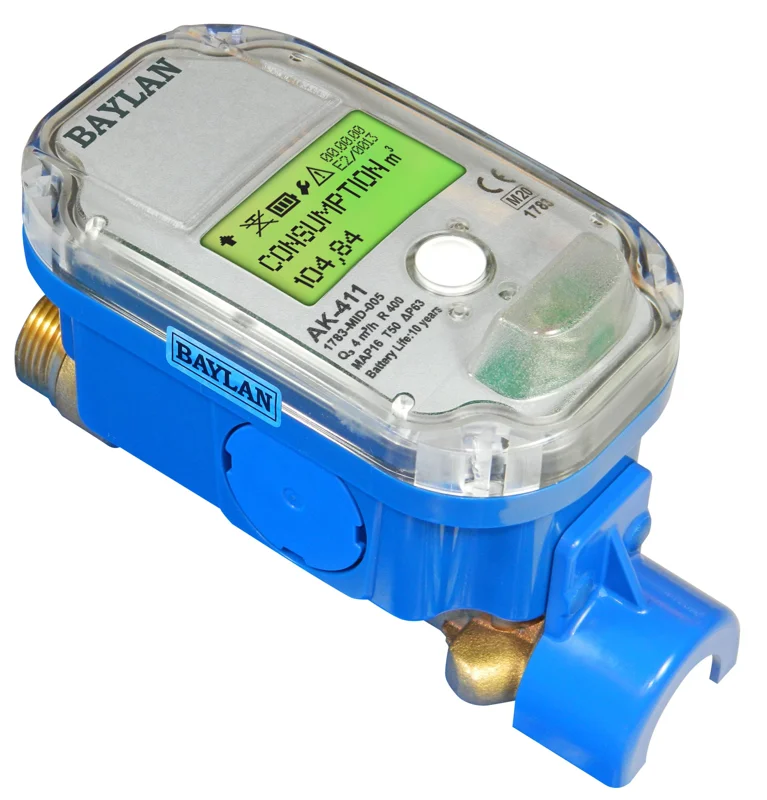
Frequently asked questions
Is LoRaWAN or NB-IoT better for water meters?
LoRaWAN is unlicensed and lets a utility run its own gateways with very low per-device cost, which suits dense roll-outs. NB-IoT uses the cellular operator network with no gateway investment and strong deep-indoor coverage. The right choice depends on density, existing infrastructure and who you want to operate the network.
Do LoRaWAN meters help reduce non-revenue water?
Yes. Frequent automatic reads enable district-metered-area balancing, minimum-night-flow analysis and faster detection of meter under-registration and leaks, all of which reduce non-revenue water.
What battery life do LoRaWAN meters offer?
Typical published figures are in the 10–15 year range depending on transmission frequency, though you should confirm against each manufacturer datasheet linked on the product page.